Showing posts with label notes. Show all posts

22 September 2015

Visual Photo Journal for August and September

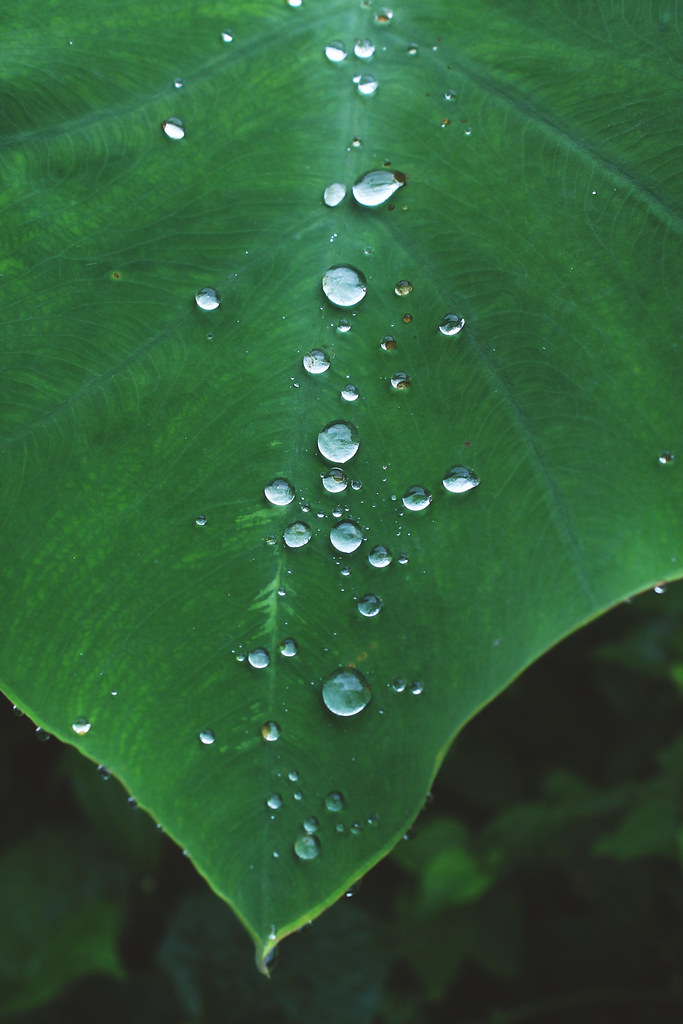
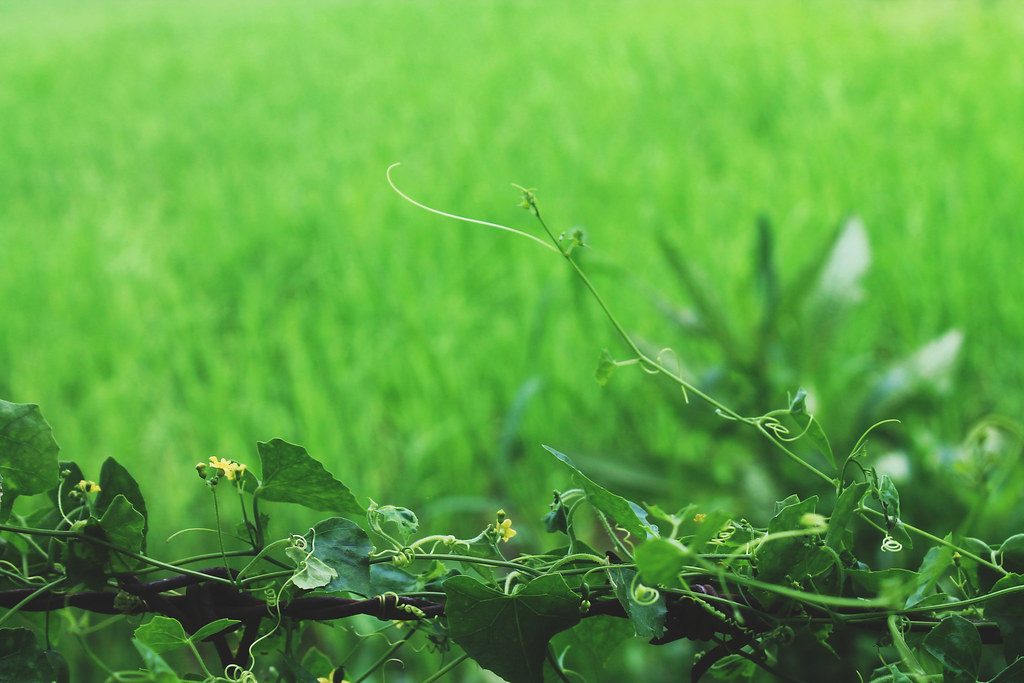
In between there are moments of escape to nature which I do every once in a while. I documented these escapes through these photos I took for August and September. I hope you like them.


https://www.flickr.com/photos/thepetitemuse/20292824318/in/photostream/
https://www.flickr.com/photos/thepetitemuse/19857024729/
https://www.flickr.com/photos/thepetitemuse/19859906613/in/photostream/

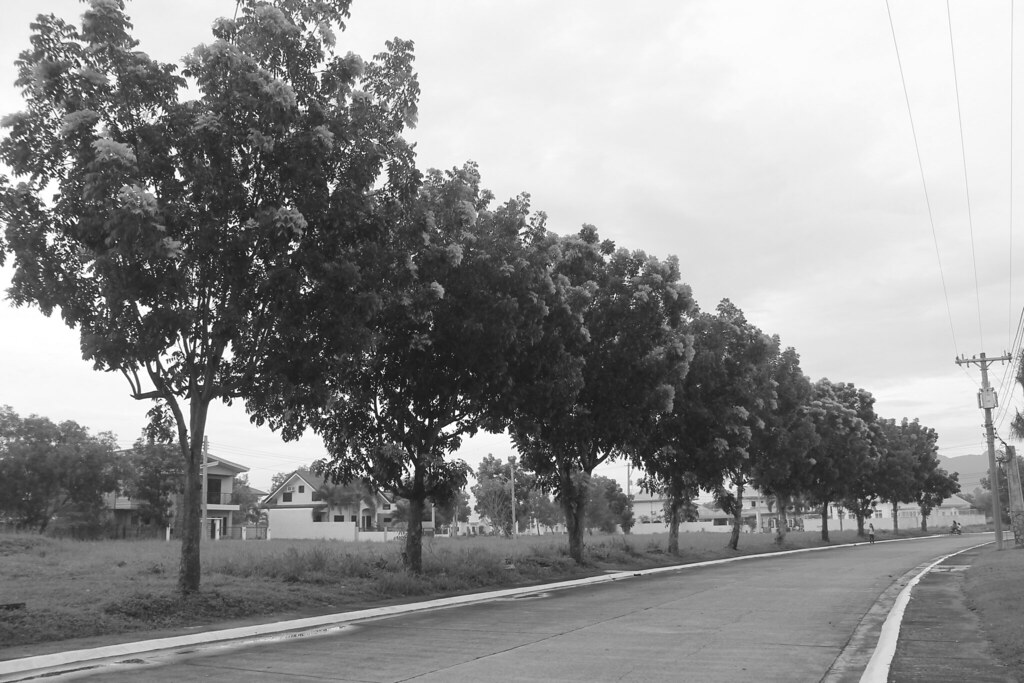
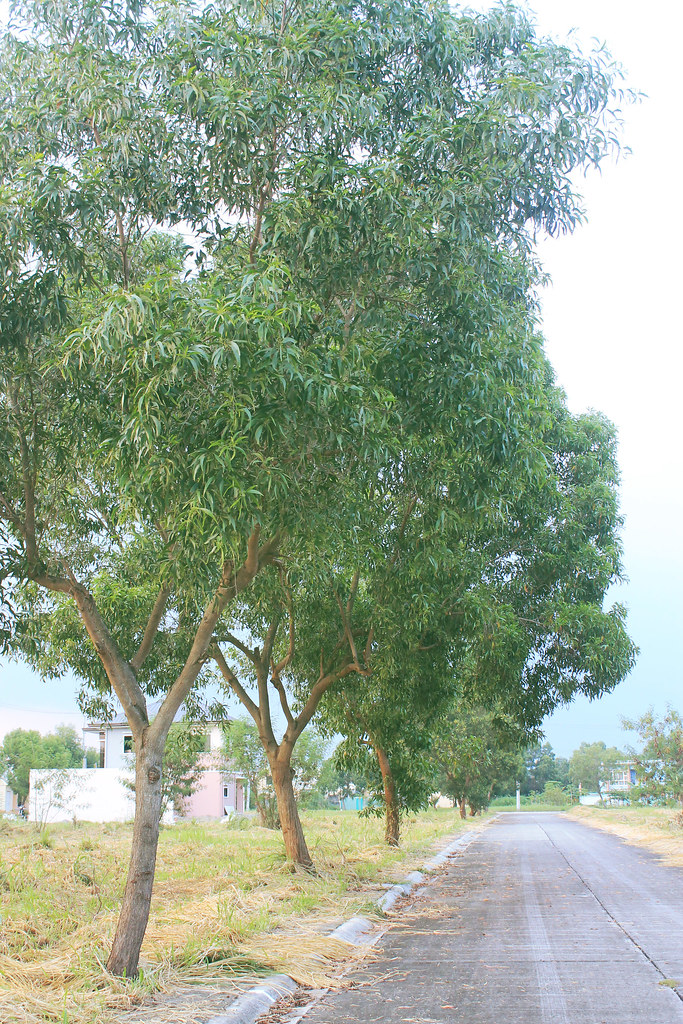
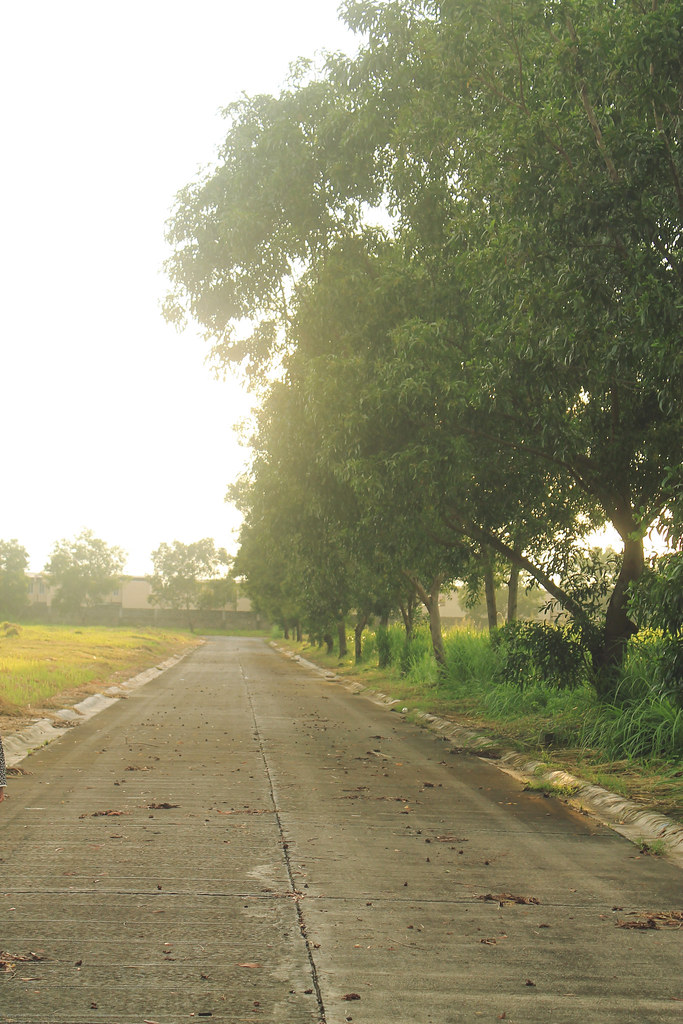
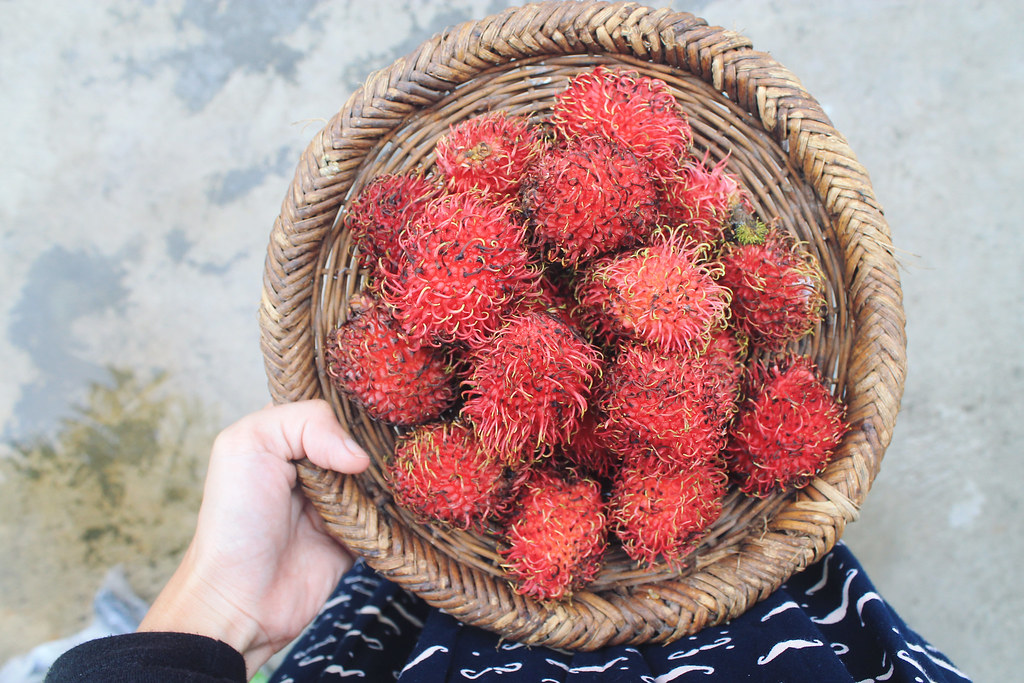
Taking long walks at the tree-lined neighborhood and a plateful of rambutans in season.

https://www.flickr.com/photos/thepetitemuse/20555606884/in/photostream/
https://www.flickr.com/photos/thepetitemuse/19857024729/
https://www.flickr.com/photos/thepetitemuse/21613448565/in/photostream/

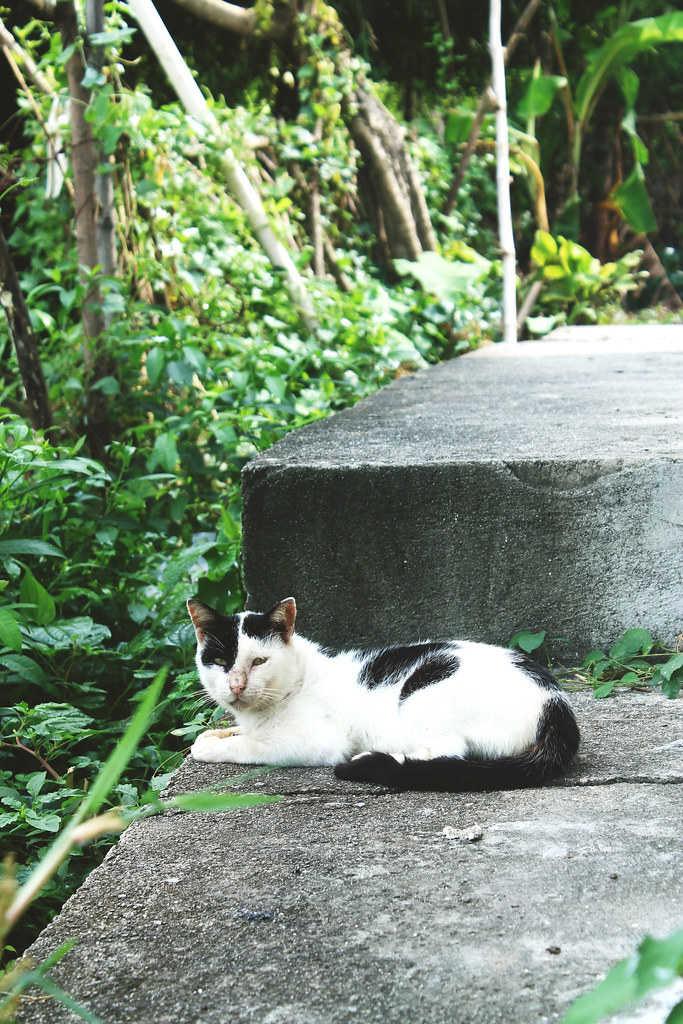
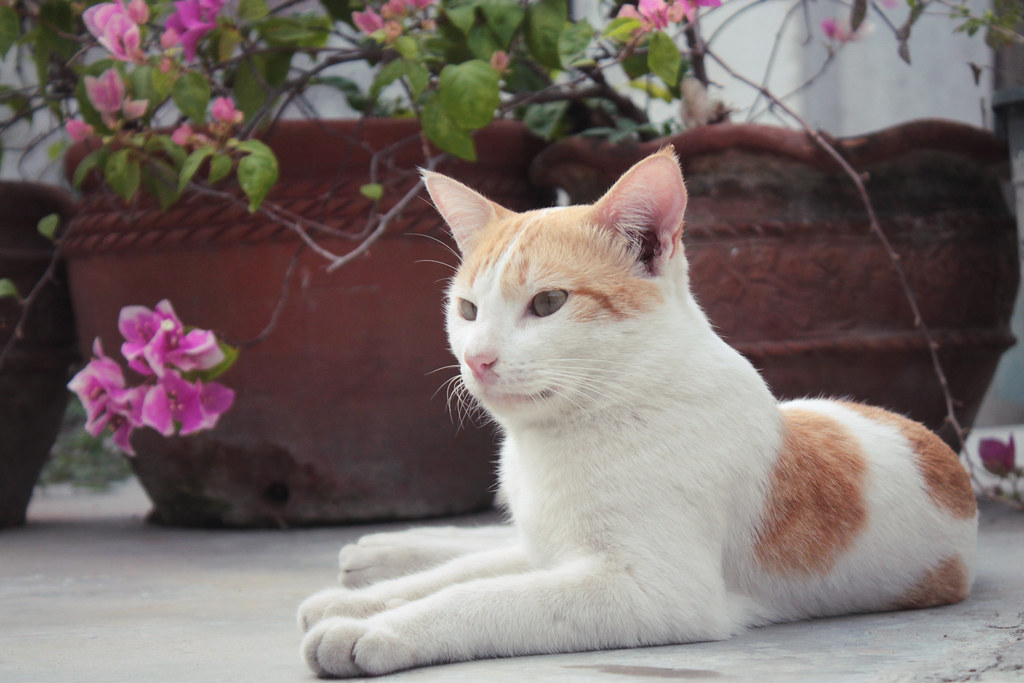
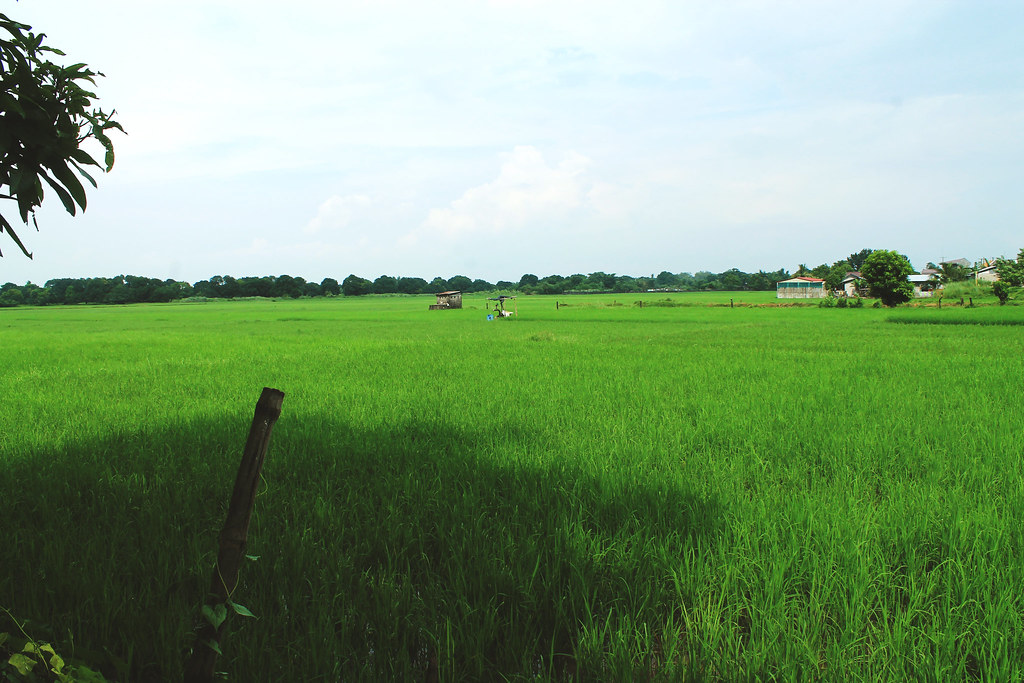
Visiting the lush greenery at F.Blanca. The cat shown likes eating small chicks so the people keep chasing him away.
https://www.flickr.com/photos/thepetitemuse/21426923849/in/photostream/
https://www.flickr.com/photos/thepetitemuse/21425886690/in/photostream/
https://www.flickr.com/photos/thepetitemuse/20993435533/in/photostream/

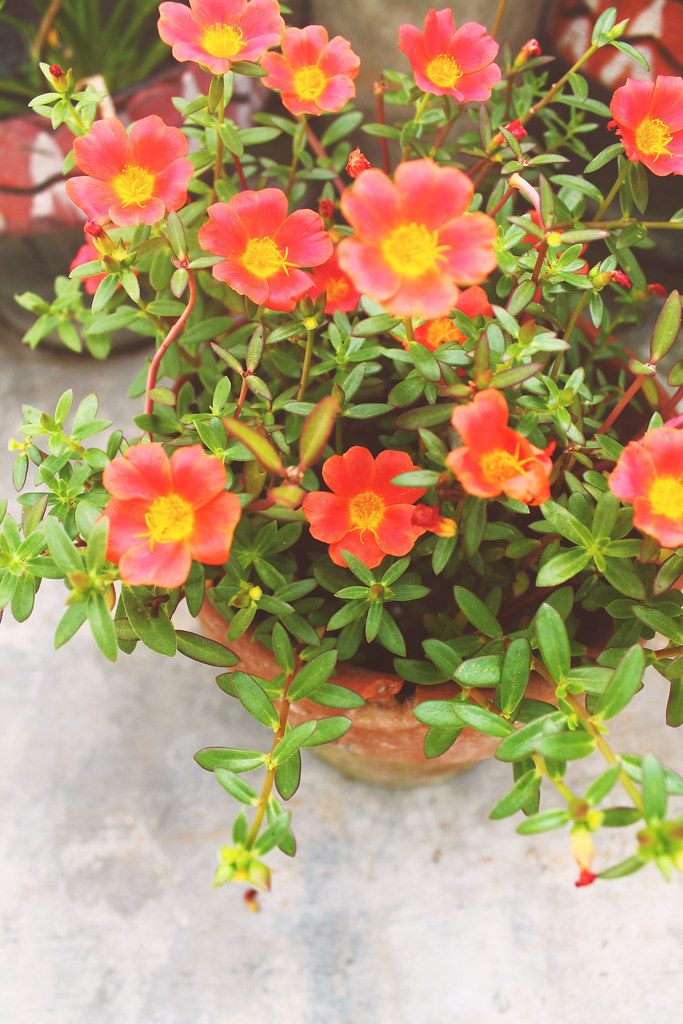
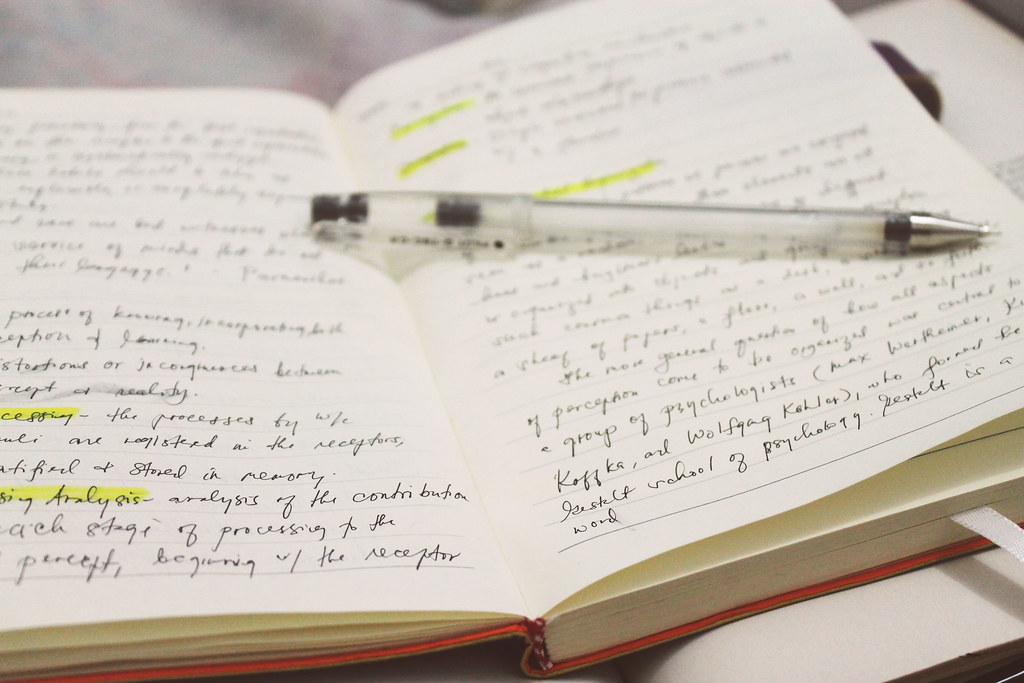
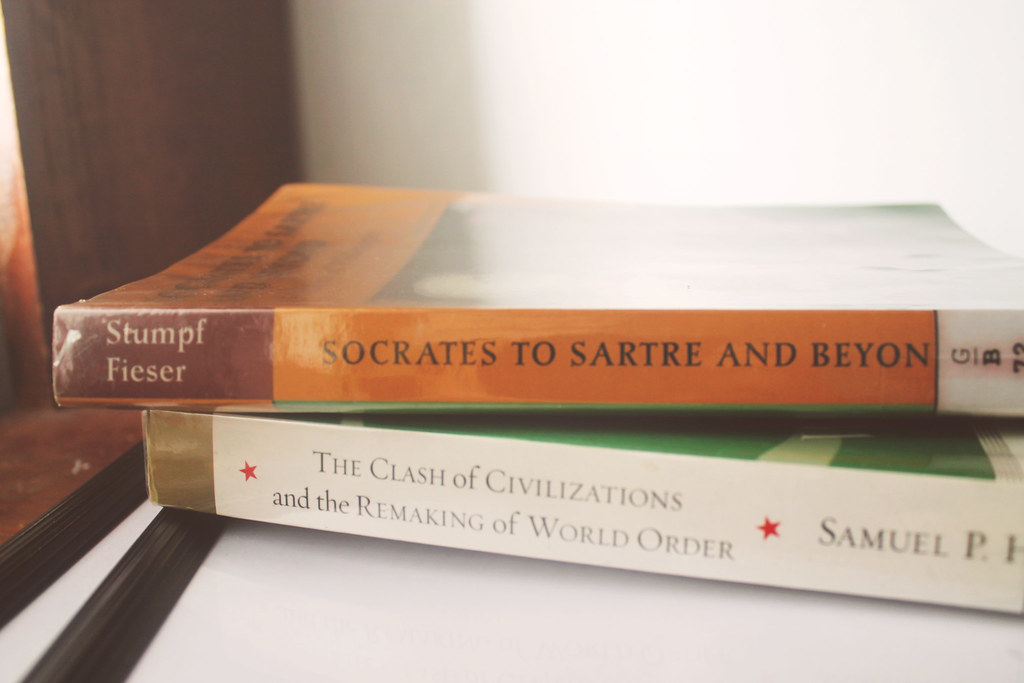
A pot of gorgeous Portulacas make my mornings, making lecture notes and a couple of interesting titles I borrowed at the library.

https://www.flickr.com/photos/thepetitemuse/19857024729/

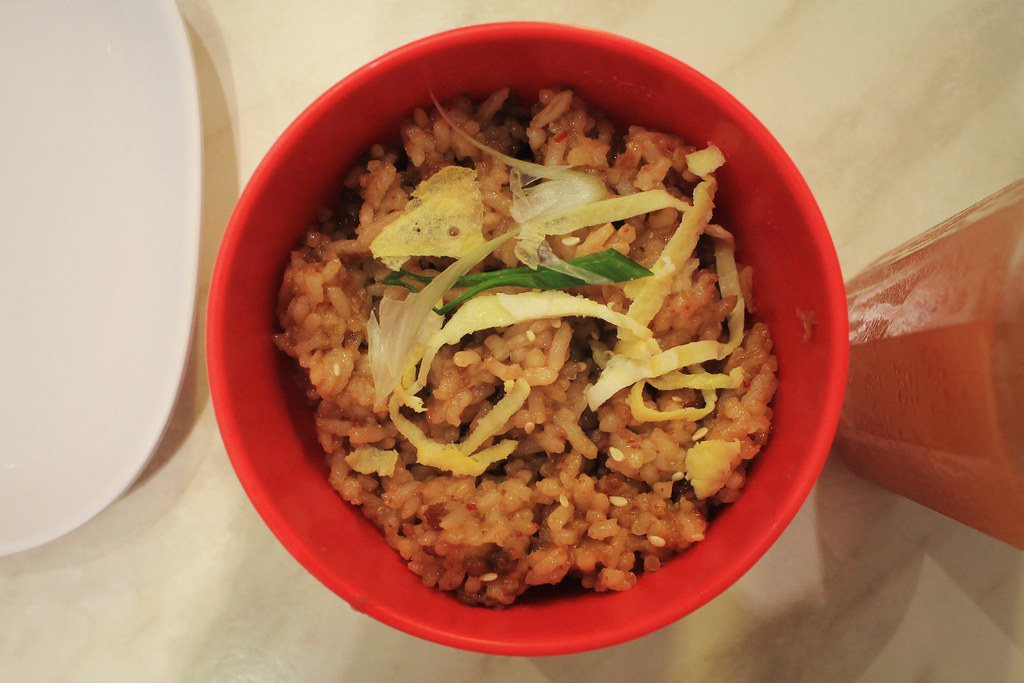
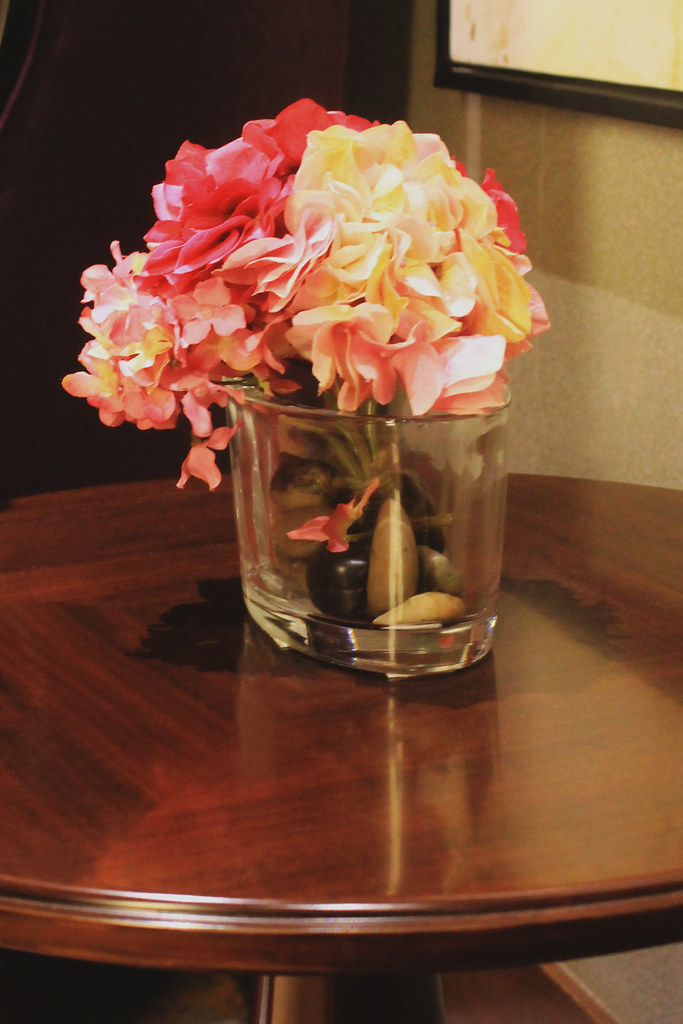
Guava juice and a floral arrangement taken inside a hotel where I attended a talk about research.

https://www.flickr.com/photos/thepetitemuse/21426456868/in/dateposted/

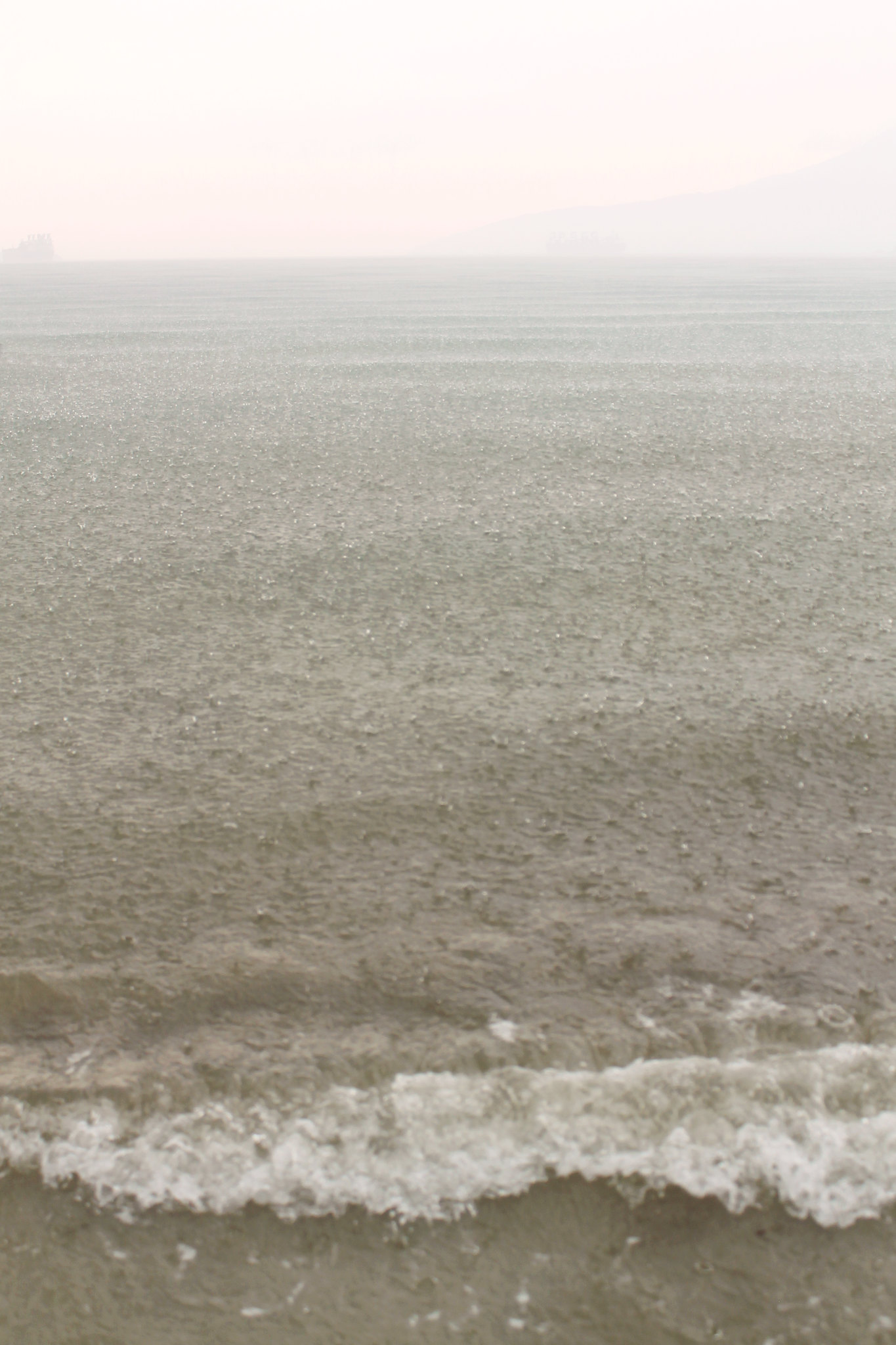
Swimming at the sea on a rainy Sunday afternoon.

14 June 2015

Ramadan to-do List

- Recite and reflect on the Qur'an. 
- Perform prayers on time and night prayer vigils. 
- Avoid doing prohibited actions, evil speech, spreading ill-will. 
- Ignore base thoughts.
- Avoid wasting time on unimportant matters / activities. 
- Increase Dhikr
- Seek forgiveness (Istighfar) and repentance (Tawbah). 
- Maintain good ties with people, especially with parents and family. 
- Spread greetings of Salam
- Give charity (including a good word or a smile to others). 
- Seek refuge from the evil of oneself and protection from harmful / detrimental trials. 
- Increase ones knowledge but maintain humility. 
- Join congregations in prayer. 
- Constantly seek nearness to Allah and pray Du'a.  
- Be conscious of ones intentions and solely direct them sincerely (Ikhlas) to Allah.

27 February 2015

Marie Curie

http://findings.creativemornings.com/post/79557867419/we-love-this-print-by-lisa-congdon-past

11 February 2015

First Two Months

https://www.flickr.com/photos/thepetitemuse/16367750872/
Chrysanthemums near the escalators

https://www.flickr.com/photos/thepetitemuse/15746178624/in/photostream/
Fountain evening lights at Marquee Park

https://www.flickr.com/photos/thepetitemuse/16181009508/in/photostream/
Fried rice at Bon Chon

https://www.flickr.com/photos/thepetitemuse/16350458421/in/photostream/
Long-tail Baby at the Garden

https://www.flickr.com/photos/thepetitemuse/16313660241/
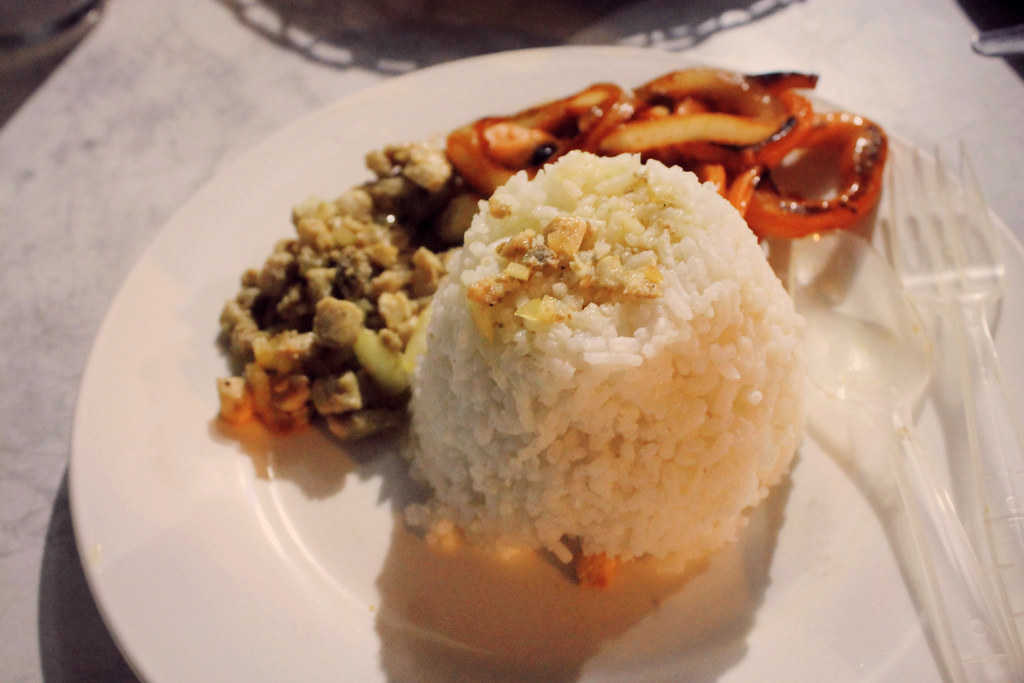
Chicken Sisig and Sizzling Squid at Ikabud Restaurant

Salam and Hello! How was your first two months of 2015 so far? I hope things are just fine for you as it was for me, although it's not really the case all the time, sort of like a rollercoaster. Most of what I had been doing at work is just the same. Manning the library for four days a week and then assisting students by Saturday. Just like a broken record, it had been a tradition of my talking here on the blog that at the start of each year, I talk of changes. For people like me who are resistant to change, this requires a lot of effort, as some of my months would pass by without any evident progress. But now, I am making a step further by seeing to it that that kind of resistance is avoided. For example, I updated some of my wardrobe, eat and invite family to dinner outside, take vitamins and look after my health, avoid hardcore uncompromising theological books, update my reading list and make it a bit more eclectic, take life a little less serious, make new sister friends, take focus on my work, and see a doctor. Papers had to be arranged by the end of February and start another chapter in June, inshallah.

That's it for now, and I hope that the coming months of 2015 will also be good for you and change for the better! 

Maica.

17 January 2015

Garden Beauties

https://www.flickr.com/photos/thepetitemuse/16289657781/in/photostream/
https://www.flickr.com/photos/thepetitemuse/16265516006/in/photostream/
https://www.flickr.com/photos/thepetitemuse/15675506234/in/photostream/

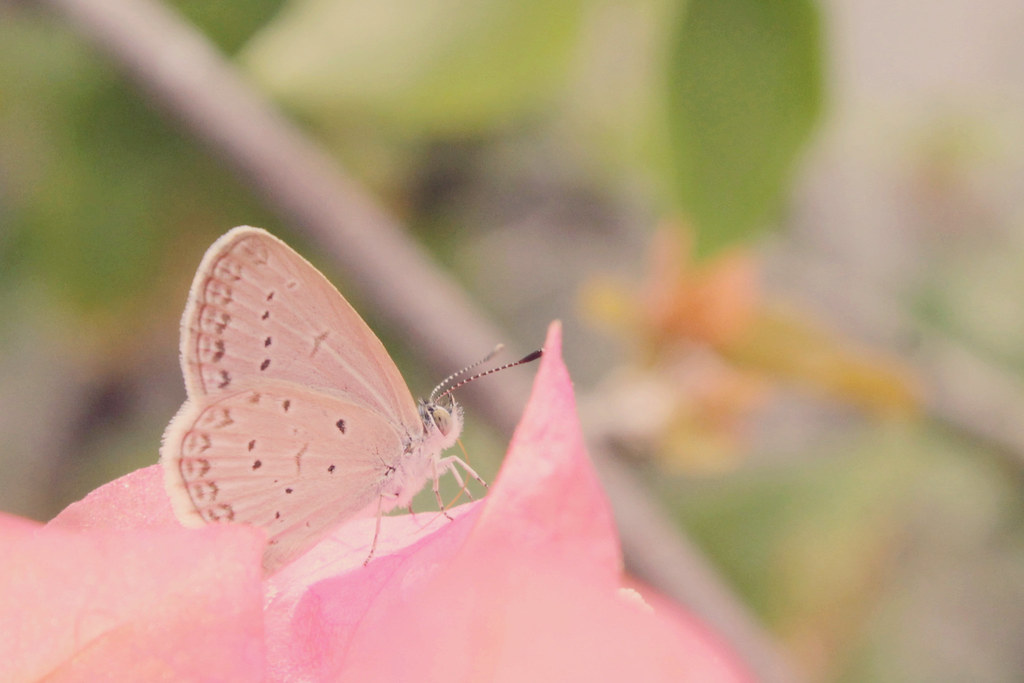
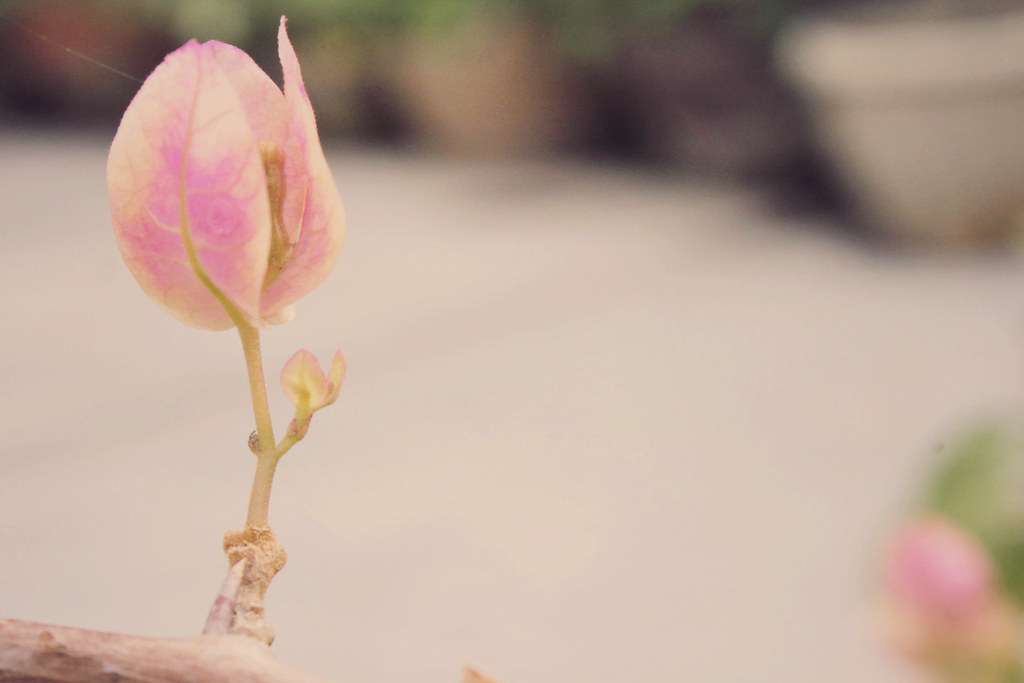
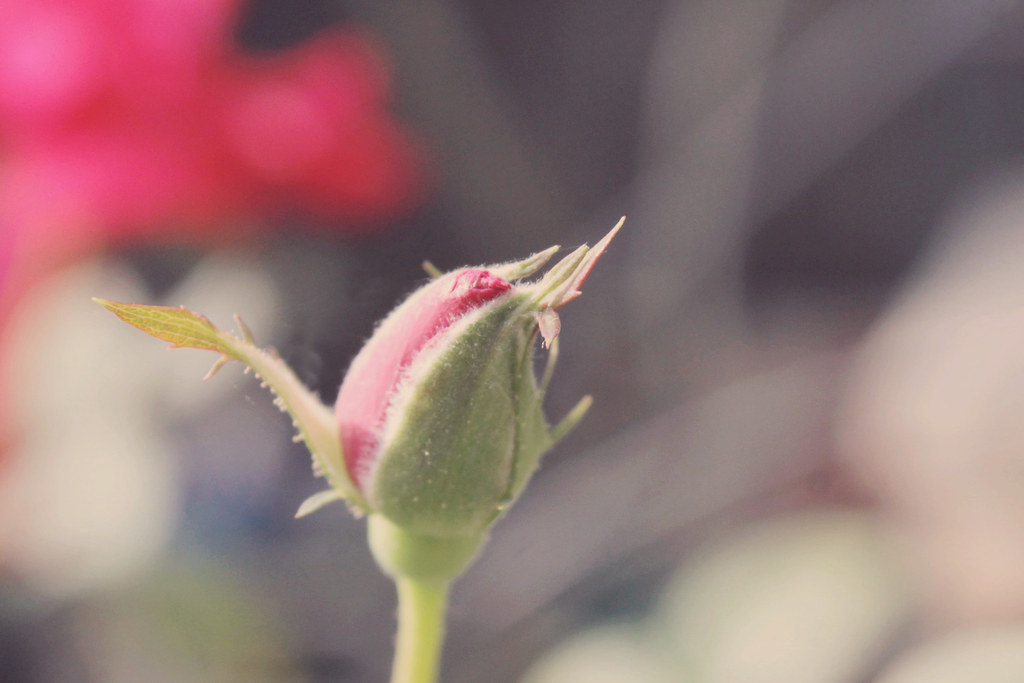
It's been a very busy week and I'm glad to take some photos at the two little gardens I've been tending at our home. The bougainvilleas lost some of the vibrant blooms, but new buds are starting to develop. My rose is very generous with her flowers, every new stem has a new rose bud. And occasionally, tiny butterflies (whites, yellows and grays) also would come and visit.

25 October 2014

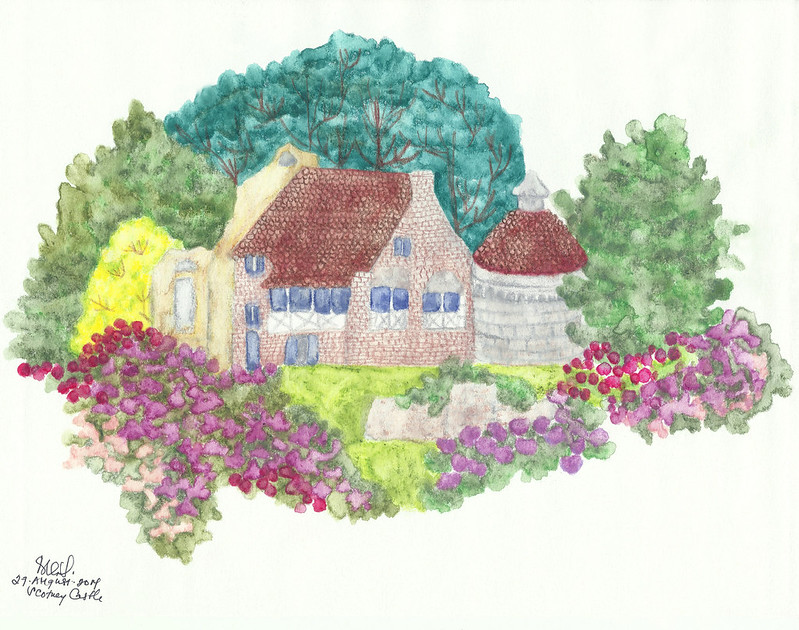
Scotney Castle


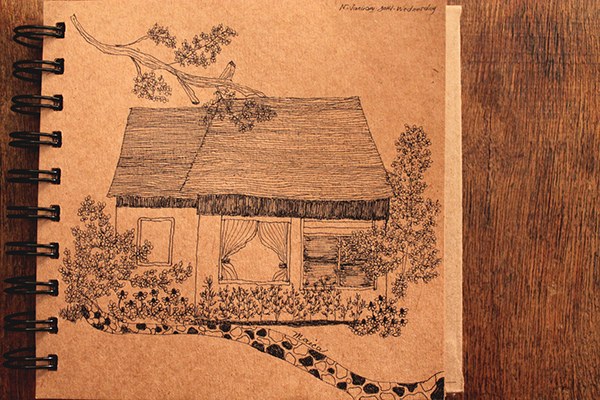
This tiny sketch was inspired from a photo I saw on Flickr, showing a castle in England in a season of full bloom. It was completed by the end of August.

I never expected that a place like this still exists in this earth, and so I realized that in one way or the other, I can still travel and visit gardens far away and then render them as my drawings. 

- maica

07 July 2014

Taking into Account

Taking account of ones self is consistently required in all things, whether apparent or hidden. While ordinary people might regard certain sins as unimportant, the believer, when acknowledging the right of Allah over him and his indebtedness to Him, sees them as ugly and dangerous. As a result, he cannot but see his good deeds as insignificant in this light, and therefore, he strives continuously to increase them. The Prophet صلى الله عليه و سلم taught the best supplication for forgiveness:

O Allah, You are my Lord - there is no god but You. You created me, and I am your servant, and I uphold Your covenant and promise to You as much as I am able. I seek refuge in You from the evil I have done. I acknowledge before You Your favor upon me, and I acknowledge my sin, so forgive me. Indeed, there is none who can forgive sins except You.

Repentance is a new beginning, as illustrated in the saying of the Prophet صلى الله عليه و سلم: "Islam destroys what came before it, and repentance destroys what came before it." (Al Bukhari). Therefore, no soul should ever despair - no matter how great its sin - for Allah is near, ever-ready to receive repentance, willing to forgive, inviting all to forgiveness with the words:


"Say, 'O My servants who have committed excess against themselves, do not despair of Allah's mercy. Certainly does Allah forgive all sins, for it is He who is the Ever-Forgiving, Merciful." (39:53)


[Source: Realities of Faith, pp.32-33, Umm Muhammad]

08 May 2014

Finally

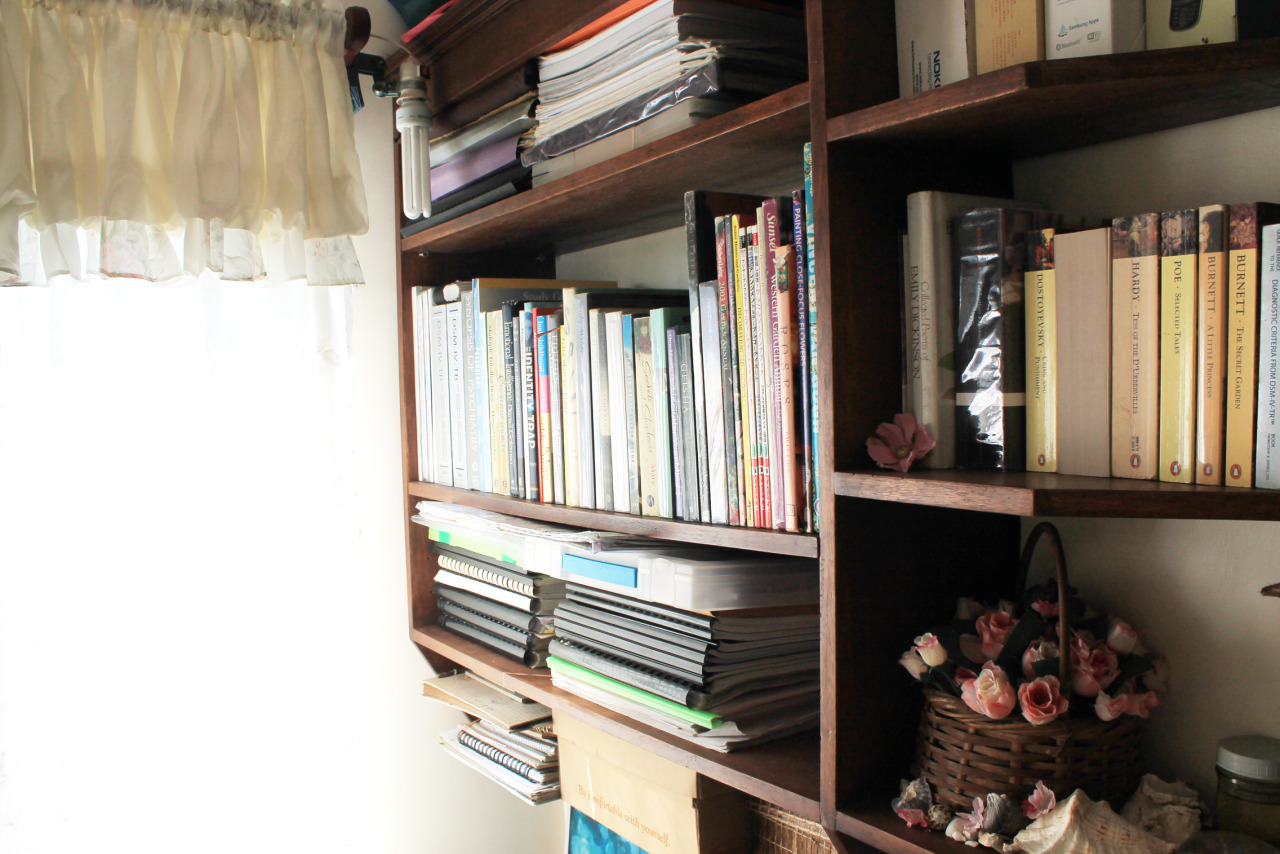
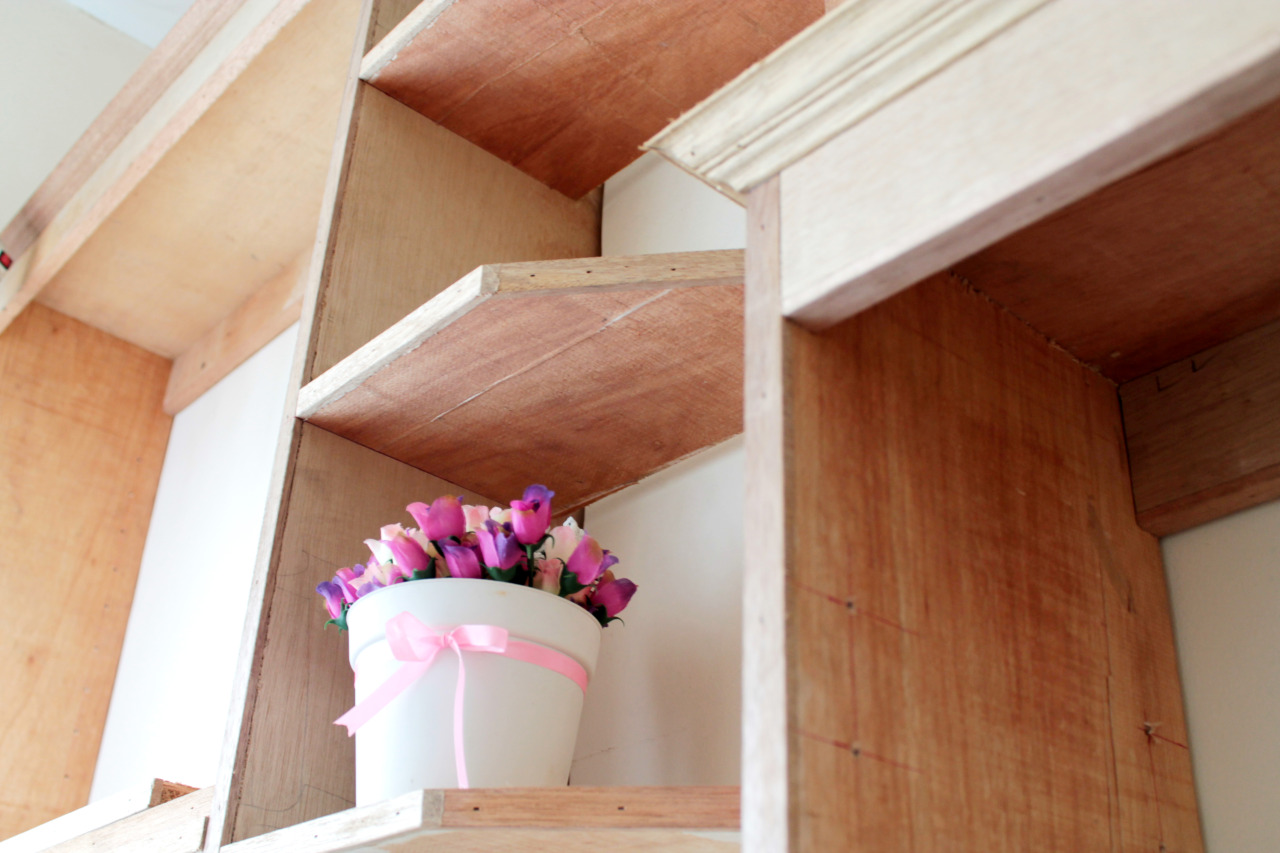
Finally, after counting many years, my study was organized. I had shared here my frustrations of having a bookshelf and study on my room. Articles on the shelf include psychology, literature, coffeetables and art. Islamic books are on the writing table and are not shown. Alhamdulillah, it was a dream come true.


28 April 2014

Interesting Topics to Explore

Lately, I've been musing about some interesting topics about Islam which are worth exploring. And for this part, I will jot down some of them here, just so I could outline them for the meantime:

1. Fitrah - the innate nature of creation and humanity. Where did humanity came from (physically and spiritually), its origins, blueprint of nature, or essence? What are our basic natural inclinations? What are the forces that drive our character, behavior and motivation? Psychology within Islamic perspective. What is the significance of worship (Ibadah) to this Fitrah? How do we balance the belief in destiny and submission to the power of God with that of our will, abilities and control? Are we fully accountable with the outcome of our lives and with the consequences of our decisions?

2. Tolerance and differences of opinion. Differentiation of definition between Shari'ah (God's Law) and Fiqh (man-made legal opinion). How do Muslims handle differences? How to balance independent critical thinking with the guidance of God? How to deal with extremist blind (Taqlid) following of schools of thought or extreme veneration of 'scholars'' opinion? Making Ijtihad (independent judgment / decision) on matters not stated on the primary sources. Dealing with overzealous reaction / intolerance of differences and eventually of divisions among Muslims.  Negative passing of judgments. Conflicting groups. Harshness of conduct and loss of manners. Re-cultivating compassion and respect with sisters / brothers in faith in light of the Qur'an and Sunnah. Unity and dis-unity.
Call unto the way of thy Lord with wisdom and fair exhortation, and reason with them in the better way. Lo! thy Lord is Best Aware of him who strayeth from His way, and He is Best Aware of those who go aright. (16:65)
3. Bid'ah (innovation) in religion - both good and bad aspects and its effects. Stagnation or flowering of Islamic civilization on worldly science and arts along with Islamic religious knowledge. The immense task and responsibility of translation / interpretation of the Qur'an and Sunnah from the original Arabic to another language and the impact of individual perception to literal and figurative meanings.

4. Balancing between worldly affairs with working towards Hereafter. Developing a positive mindset and perception between both worlds.

That's it. There are many ones worth exploring, but God willing, other notes will follow later on.

12 April 2014

Currently Reading


Currently reading: Religion on the Rise by Murad Wilfried Hofmann

I was attempting to voice-record my reading, but I realized I was having problems with accent and in making mistakes with reading the words (my eyesight issues). I really need to have my glasses soon. Perhaps, if I will have time, I will get them this afternoon or tomorrow, in sha Allah. My optician is a good friend of mine. :)

Anyways, I recommend the book. It is an insightful work that touches into the issues that Islam and Muslims face in the modern world, and what Islam has to offer: its solutions to the problems of the current times, and what its future likely holds, most especially in the postmodernism era.

Contents
Preface
Chapter 1: Destination: West
Chapter 2: Destination: East
Chapter 3: Many long and wretched Years
Chapter 4: Targeting the Media
Chapter 5: Blond, blue-eyed and Human Rights
Chapter 6: Democracy or Shuracracy
Chapter 7: Similar or Identical?
Chapter 8: Why Muhammad?
Chapter 9: Jesus dividing - Jesus uniting
Chapter 10: Colorblind
Chapter 11: What are they here for?
Chapter 12: In for a Change
Chapter 13: Petitioners or Partners?
Chapter 14: Islam in America
Chapter 15: What if they come?
Index
Bibliography

24 March 2014

08 March 2014

Matters of Faith to be Resolved

- Trust in Allah.

- Thinking well of Allah and His wisdom in allowing things to happen.

- Thinking well of Allah when prayers are not answered and when the opposite of what had been prayed for happens.

- Thinking well of Allah on the matters that He decided for me and for others (both in this world and in the Hereafter), the fate of the believing people who suffered injustices, cruelty and loss; and that all that is revealed in His Revelation in the Qur'an is for the good and welfare of the believing people (both women and men). 

- That Allah had Hidden Knowledge that only He alone knows, and that what is revealed in the Revelation is sufficient for the people, and that that Hidden Knowledge is something that the believing people should trust with their whole heart and leave to Allah alone.

- That the reward of a person has no bearing or loss for another, rather that reward of a person is separate and distinct and brought by the Grace and Mercy of the Lord for ones sacrifices and faith, not in  proportion to seeking the pleasure of any created being, but only with Allah.

- That everything that is endured in this present worldly life will be paid off in the end, in sha Allah.

- That this world is only a test, a passing illusion, not an end within itself, but only a means to return to the Lord and gaze at His Face - the Highest honor one can achieve in the life to come.

- That we are all equally created for the sole purpose of worshipping Allah.

11 February 2014

Random Thoughts: Finally, I Have My Bookshelf and Writing Table


I'm very pleased to finally have my own bookshelf and writing table on my room! It was a dream come true, alhamdulillah, after so many years of waiting, finally, my books and other reading and writing materials no longer need to be filed away inside the two boxes. They arrived yesterday morning, as the sun had risen for a new day.

To be truly honest, most of my personal money if not spent on art instruments, are spent on scourging through books wherever I go, from brand new copies to used ones. But despite of that, I think so many times before availing them, and the reasons why I need to have them. During my teenage years, I was very interested on classical literature (both prose and poetry) and science, and of course taking much consideration on the content and in what way they could help me not only on my perspective and mode of thinking, but also on my approach to life. Being an avid loner who loves to explore and learn a lot about life, I spend most of my days reading books and when I go outside to see the world, I become overwhelmed and awed because I see it always in a brand new light much of what I understand from what I read. Sometimes, I fancy writing down my thoughts as I stare out of the car window whenever I travel, and think how they could in one way or the other, reach out to others who share the same visions or images that are built on my mind. But I have to admit that reading is a double-edged sword which needs a lot of critical thinking and not merely blind acceptance.

The subject and the content of what we read must be fully and carefully chosen, because all forms of writing can have negative or positive effects on a reader, especially on a receptive / fully-open reader. Some contain extremely corrupt and dangerous content that can poison and eventually destroy a person's mind and life. There are some books which contain honeyed words which are extremely pleasing to the reader, but they have an undertow or a hidden meaning which results to corrupting people's thoughts, feelings, ideologies, beliefs, and eventually their entire being. But at the same time, there are also those which aim at improving and helping people better understand so many facets of life and apply those ideals practically in everyday life - and thus serving noble purposes. The written word is thus, like any other instrument endowed and entrusted to a person, needs to be used responsibly - not for the interest of the author or individual per se, but on the meaning and purpose it truly serves.  

The shelf and the writing table are set, but I'm still thinking the kind of finishing touches I'll apply on them. Wood varnish or white with pink paint accents? I much prefer a light, pine-colored wood varnish, but white and pink paint is so girly, right? Wood varnish is much more timeless it seems, with an accent I can grow old with (or never)...

The other concern I've been quite fussing about is what to do with the other copies I have, the fiction ones. Back in the day, as what I was talking about a while earlier, I was fond of fiction. But I realized that as I grew older, the content of those fiction left extremely negative effects on me, because they have bad hidden messages: deceit and alien values and practices not suitable to the way of life of Islam. Will I burn them as what I had done to my scratch papers or will they remain for the meantime? How about the newspapers I collected? Sell them away? This is such a dilemma...

That's it for now.

16 January 2014

06 January 2014

Technology


Let us give it a trial. For all of us, the arrangements, device, and machinery of technology are to a greater or lesser extent indispensable. It would be foolish to attack technology blindly. It would be shortsighted to condemn it as the work of the devil. We depend on technical devices; they even challenge us to ever greater advances. But suddenly and unaware we find ourselves so firmly shackled to these technical devices that we fall into bondage to them.

Still one can act otherwise. We can use technical devices and yet with proper use also keep ourselves free of them, that we may let go of them any time. We can use technical devices as they ought to be used, and also let them alone as something which does not affect our inner and real core. We can affirm the unavoidable use of technical devices, and also deny them the right to dominate us, and so to warp, confuse, and lay waste our nature.

- Martin Heidegger, Discourse on Thinking

18 December 2013

Year's Brief Recap

In a matter of few days, this year's going to an end. Looking past through, I can only recall at how I spent days and months, hours, and did things in-between. Though I can say that I had always hoped to become a better and more mature person, I can see and feel that that hope will continue for a long time.

How did I spent this year? First of all, I am very grateful and indebted to God, and then my parents, and then my siblings, for giving me much and ample time to have time for myself and study Islam. This year was spent much on Islamic studies, and it was due largely to an inner need to develop my faith and strengthen it. Even though I have poor comprehension skills when it comes to reading books, still, the time that I spent with them is priceless and can never be replaced. It is like delving into an ocean where the boundary can not be seen and it surrounds you in all directions. It always has something new to offer, and as I go on with studying, new doors of sacred knowledge never fail to amaze me. A sense of awe and deep reverence surrounds them, and being able to absorb them fully does not only strengthen ones faith, but also gives a fresh and a different perspective on seeing and living through life. Every absorbed passage or tidbit of wisdom can change ones way of seeing and it can alter the way we see the present, the future, and the past.

Alhamdulillah, as a whole, this year had been especially productive for me, as what I had written on my last January 18, 2013,

This will be my first update for this year, and I'm so happy that it started out as good for me, in terms of having a lot of time for study and research... I'd like to focus my efforts for this year in Islamic Studies, God willing and perhaps, that will be a separate thing which I'd like to share with you sometime.
Now, this year is coming to an end, and God willing, I will have to again consider what are my plans for next year. There will be different goals and a different endeavor to be focused on. Although this year was not all bright and beautiful, there had been ups and downs, some realities that had to be dealt with and confronted, but just like any other challenge that I had dealt with, they had been truly faced, dealt with, and solved. 


From Flower To Flower


Going through the process of studying Islam, especially doing it alone is very challenging. I don't have a teacher with whom I can ask questions or discuss the topics with, and I relied heavily on how I understand the texts. And then, I decided to listen to lectures and discussions over an invention (I like to call it as a 'menace') called 'Internet' and from there, I came to discover various voices and approaches on dealing with the branches of Islamic knowledge. There were many schools, creeds, groups, and people of various backgrounds and religious interpretations, and it is through these means that I came to appreciate the dynamic aspect of this field of study. There were debates and refutations among people, factors which can never be avoided. Thus, through having wise discernment and objective judgment, one can understand and reconcile the clashes and differences that exist within the verdicts, explanations and interpretations of Islamic knowledge: the Shari'ah (Islamic Law), and Fiqh (Islamic Jurisprudence), and Ta'wil (Interpretation). One very important goal which I haven't achieved is learning Arabic grammar. The texts of the Qur'an and Prophetic Traditions (Hadith) are originally written in Arabic, and thus, to understand the exact and precise content of the basic Islamic books, one has to be familiar with Arabic. But unfortunately, I was not able to study the grammar, and I relied heavily on English. 

At this point, I am also trying to understand a topic which is mentioned in the Qur'an and Hadith, but with which I think there is a great deal of debate or controversy regarding it. It has something to do with the topic of women in the Hereafter. This topic had baffled me for weeks now and based from what I had been reading on, and with regards to uses in Arabic wording, this topic needs to be further examined and re-considered by those who interpret and teach the texts and publish them on their writings, or speak of them on their discussions. I have to admit that the topic at hand is sitting on my mind, and many women, in particular, had been trying to understand it, but which I believe is causing them distress. If I can deduce from the evidences mentioned on the Qur'an and Hadith, and then expound it, I am anticipating that it will take on a course which would differ from those who earlier interpreted them. But at this stage, I will not go or expound on that given topic. I believe that God knows what best explains this matter. But if the women concerned will be able to know my initial questions and stance regarding this topic, God willing, it will bring comfort to their hearts and relieve them of the unjust perceptions that they are being subjected with.

26 October 2013

Fitrah (The Innate Human Nature): A Prelude

Allah has created His slaves in such a way that they are free from false beliefs, and He has created them with the readiness to accept the sound beliefs, but when they are born, the devils from among mankind and the jinn surround them and corrupt their sound nature (fitrah), but Allah protects those whom He wishes to the Truth.

Allah knows those who will remain steadfast and adhere to the sound fitrah and whose fitrah will be changed. He knows that from eternity and it is written. According to the Hadith narrated by Muslim, 'Iyaad ibn Hammar said, the Messenger of Allah صلى الله عليه و سلم said that Allah the Exalted said,

"I have created My slaves as Haneefs (pure monotheisths), then the Shayateen (devils) mislead them, forbidding them that which I have permitted them, and commanding them to associate others in worship with Me for which I have not revealed any authority."

[Source: Islamic Creed Series: Vol. 8, pp. 86-87, by Dr. Umar S. Al Ashqar]
            

22 September 2013

Life Lately


(Click the play button to listen to the Noble Qur'an recitation of Surah Ya Seen)


For this month, I made two book purchases, The Brothers Karamazov by Fyodor Dostoevsky, and Anna Karenina by Leo Tolstoy. I was reading the novels on my Iphone, but when it totally shut down, I decided to have my own actual copies to add to my collection. I am not really into reading fiction, but I read the novels mainly to refine my ideas and insights, not to absorb them really into myself. There are recurrent themes on fiction which are not advisable to absorb onto oneself, since they are corrupt, toxic and destructive to the soul and mind, added to the fact that they are products of human imagination, and not based on practical reality. I read novels mainly to develop vocabulary and refine ideas. 

Some of the subjects I'm focused on right now, are on Islamic Aqeedah (Creed), Tazkiyat-un-Nafs (Purification of the Self), Islamic psychology, and Qur'an contemplation. Also included on my study list are Islamic history and philosophy. Although I must say that I am a very lazy and procrastinate when it comes to my latest project which is a book translation about Tawheed and Shirk (Monotheism and Polytheism), which is supposed to be rendered from English to Filipino. It's a brief booklet, and I am 98% finished with the rough draft which is hand written on paper. The remaining work is set to be typed on computer. Pray for me, that I get the motivation and energy to focus on the project and finish it before the year ends, In sha Allah. It's a very tedious and difficult task, but if God wills, it will be published in book form.

17 July 2013

Preparatory Notes

Since my student days, I've been conceiving the idea of being able to write something about psychology based from the Islamic Perspective.

Although secular/western psychology remains as the main resource when it comes to scientific research and actual practice, I do think that Islamic psychology has a lot more to offer and is more comprehensive especially if it is purely based on the Qur'an and the Sunnah of the Prophet صلى الله عليه وسلم. I hope that the Islamic perspective will be fully explored and recognized by practitioners on the field, because it is based on actual textual evidence and many verses of the Qur'an and the Hadith had been proven to be scientifically valid. 

Although from the past few years, I appreciated the fact that western psychology had influenced a lot of my understanding and thinking with regards to human nature and behavior, particularly the theory of psychoanalysis and its offshoots, and cognitive psychology, lately, when I started to study Islam on a more in-depth level, I began to question the validity and influence some of these theories. In Islam, however, all quests of knowledge and inquiry are centered in the knowledge of God.

The foundation of knowledge is knowledge of Allah, not empirical knowledge. For Allah is the First, Who created all that exists, and the Last, to Whom all of creation will return. He is the all-encompassing principle; knowledge of Him is the basis of all knowledge, remembrance of Him is the basis of all remembrance, and striving for His sake is the basis of all effort. From the knowledge of Allah stem all other kinds of knowledge. From the worship of Him and seeking Him alone stem all kinds of good objectives. By worshipping Him and seeking His help, the heart is protected, for it has taken refuge in trustworthy support and is clinging to guidance and certain proof. For learning by the help of Allah is the greatest means of learning about Allah and about life and other things, and about the human psyche.

- Al Ashqar
Umar S., Belief in Allah In the Light of the Qur'an and Sunnah 

In Islam, everything is balanced and every aspect is discussed and taken into consideration. In seeking to understand man, one has to go to the main sources: the Qur'an - which is the revealed book of God, and the Sunnah - the sayings of the Messenger of God, Prophet Muhammad صلى الله عليه وسلم. Islam encourages man to seek knowledge and to develop himself. It guides him to exercise his freedom and challenges him to reflect and ponder as to why he exists, and what he has to accomplish upon his being granted existence. 

"...so that their hearts (and minds) may thus use reason…" (22:46)
To reconcile science and psychology with the Qur'an and the Sunnah is a very delicate balancing act. Nevertheless, anyone who deeply studies Islam can have a deep insight on the aspects of human nature. Islam touches every aspect of the life of a human being: from his thinking, his intentions and motives, his actions, his conscience, how he interacts with others, how to deal with the various aspects of his self, how to exercise freedom of thinking, choice and will, and how to be responsible and accountable for his thoughts and the consequences and impact of his actions towards himself and others.

07 February 2013

Back to Top

Labels

Baguio Series (15) art (70) book excerpt (57) essay (36) food (39) ideals (148) insights (97) introspection (35) med school (10) monthly photo snippets (27) notes (31) photography (218) places (127) poetry (1) psychology (43) recipes (9) review (31) science (10) travel (76)

Blog Archive