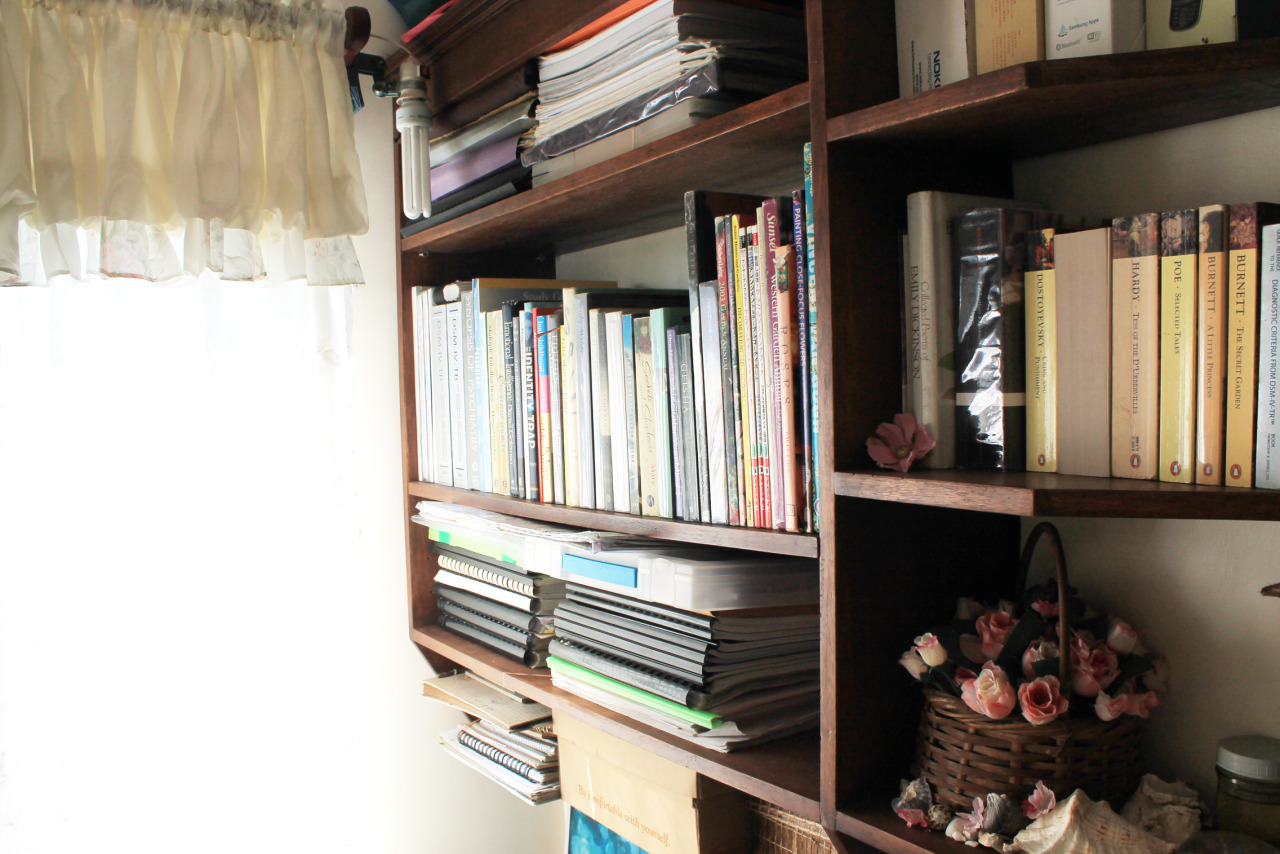
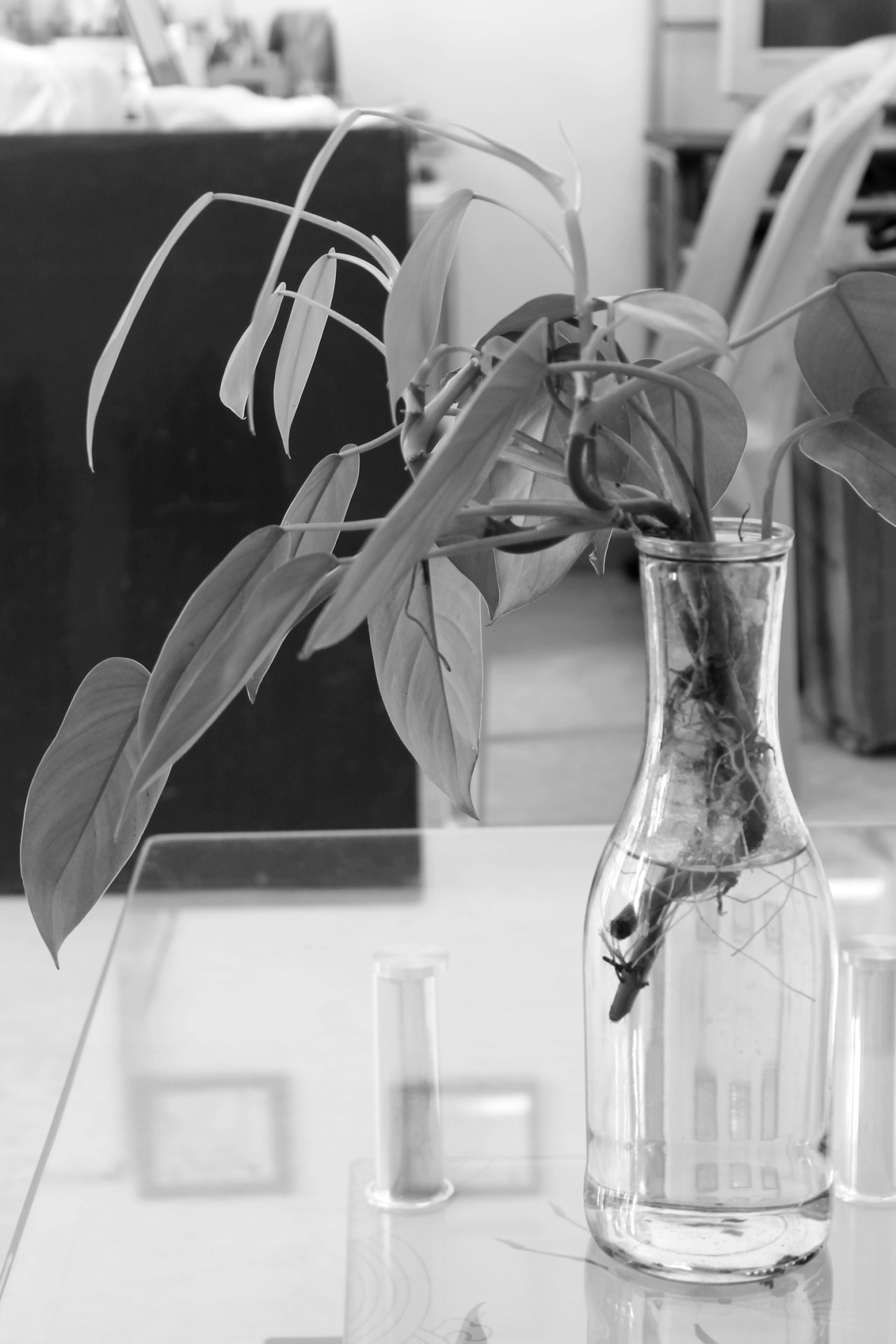
Finally, after counting many years, my study was organized. I had shared here my frustrations of having a bookshelf and study on my room. Articles on the shelf include psychology, literature, coffeetables and art. Islamic books are on the writing table and are not shown. Alhamdulillah, it was a dream come true.
08 May 2014
07 May 2014
06 May 2014
05 May 2014
Recently
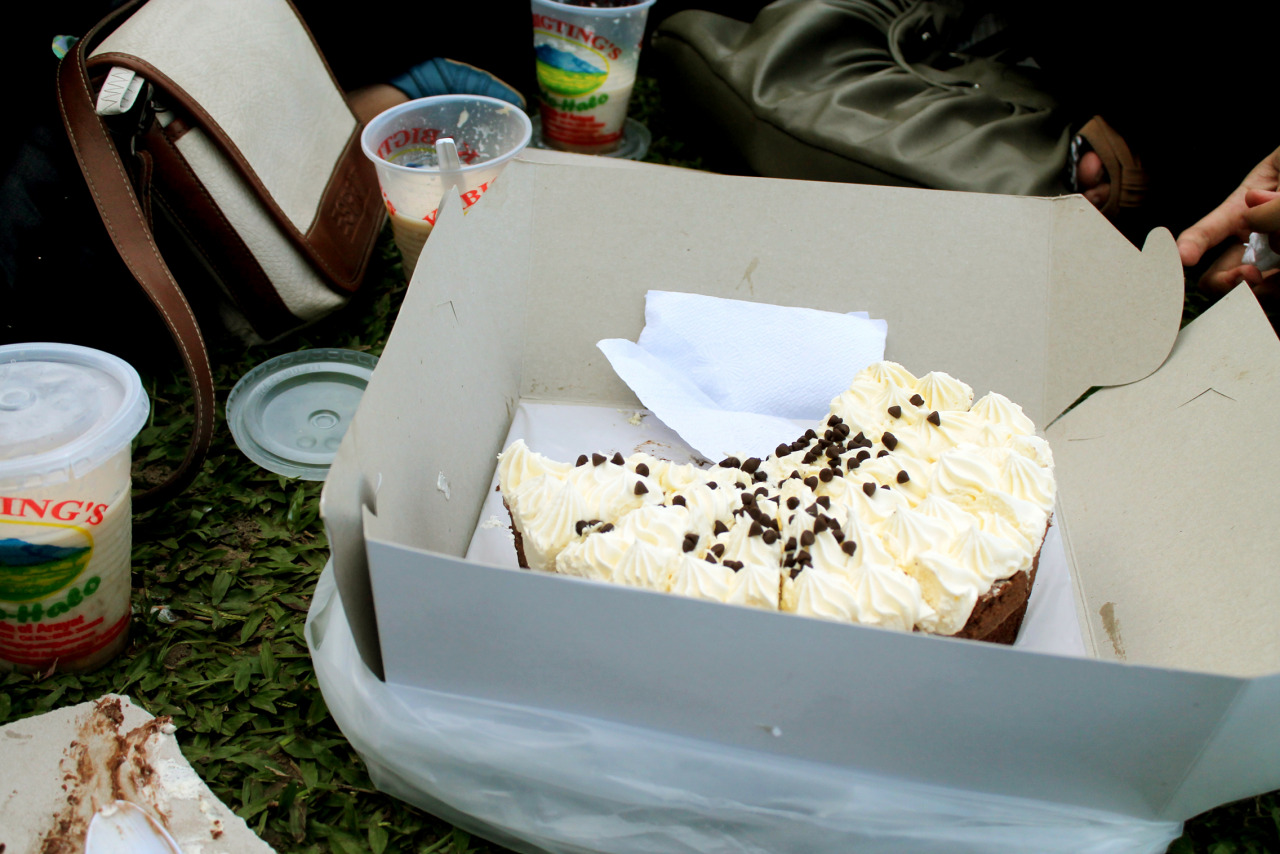
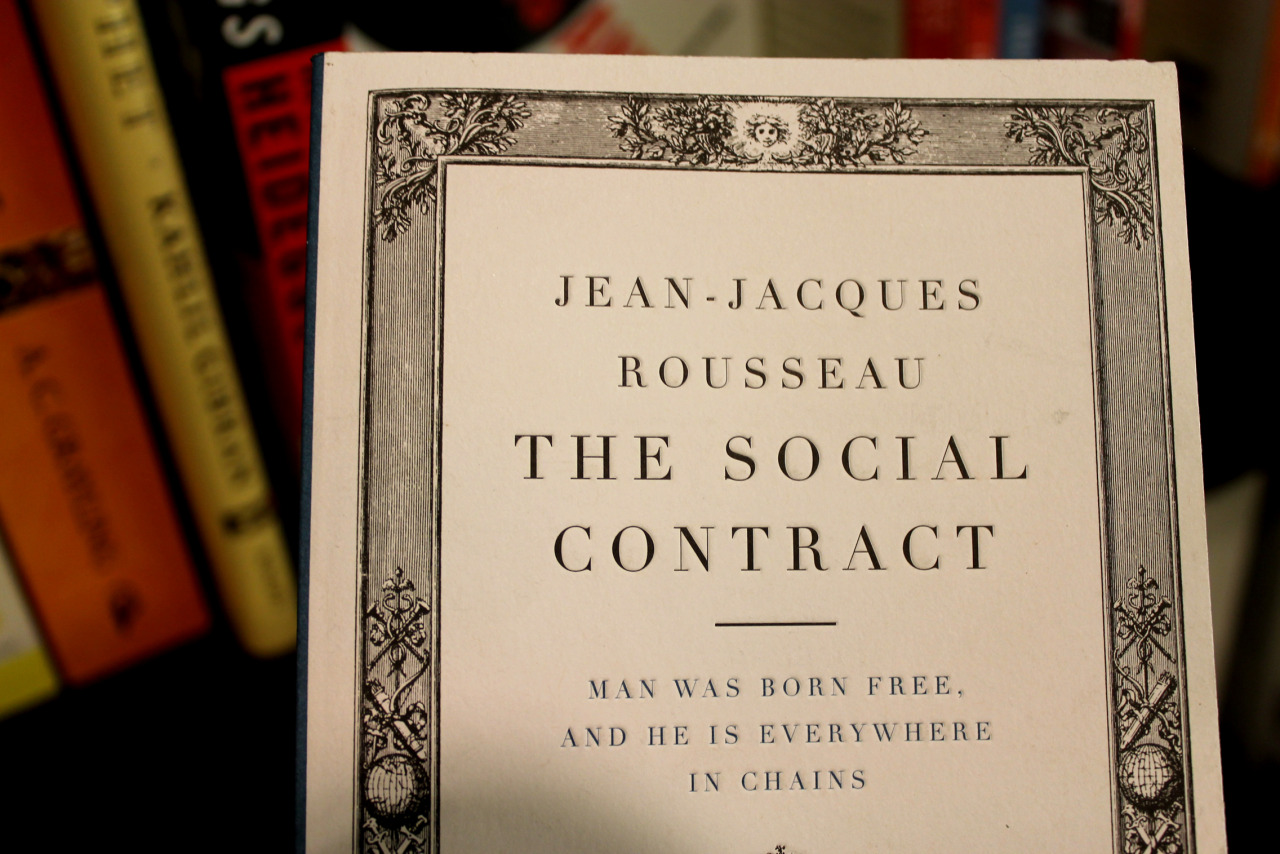
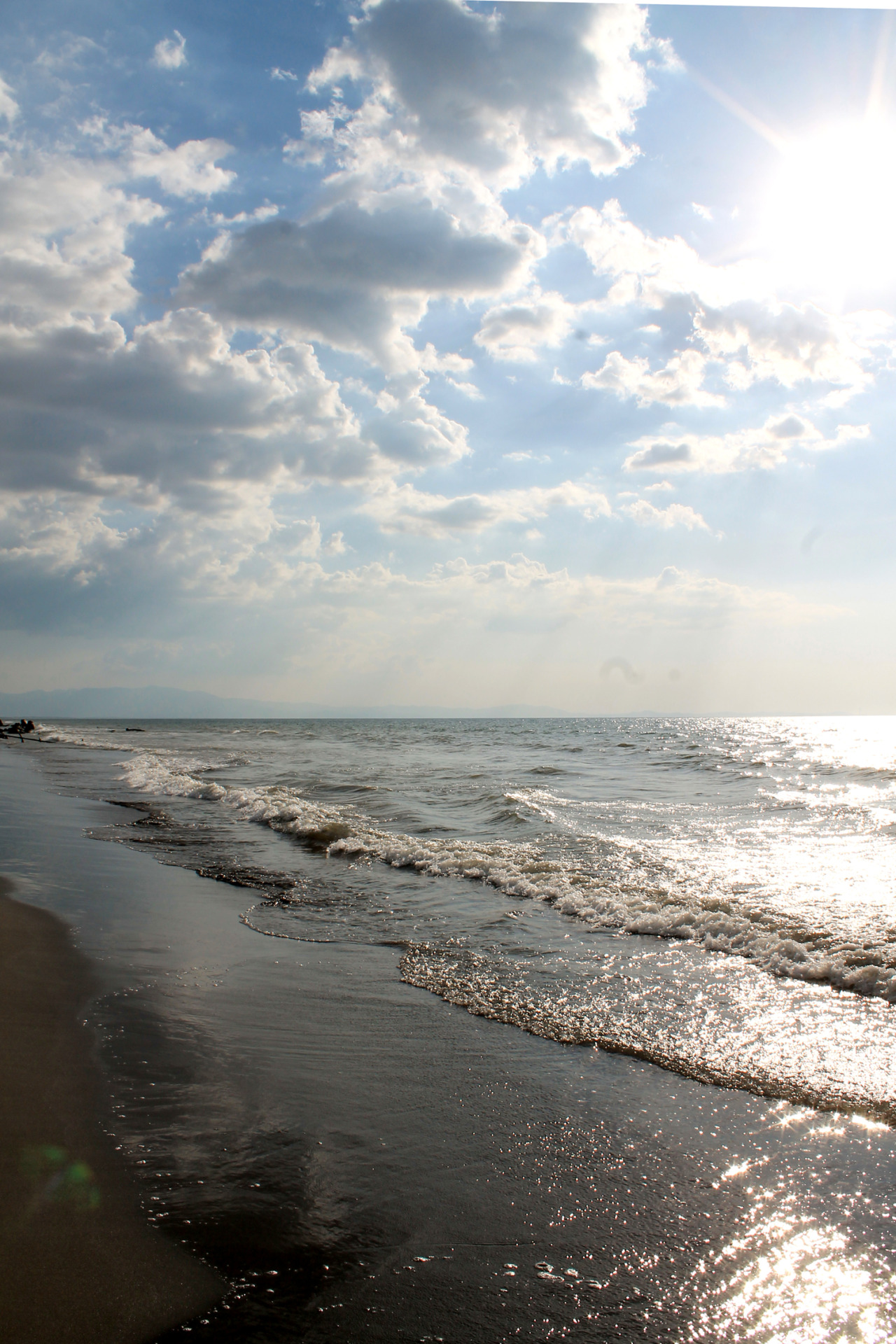
Picnic at the park with sissies / At the bookstore / Dinner / At the sea Sunday afternoon and I was not there (taken by my bros)
03 May 2014
By Time
By Time,Verily Man is in loss,Except such as have Faith, and do righteous deeds,and in the mutual teaching of Truth, and of Patience and Constancy.(103: 1-3)
28 April 2014
Interesting Topics to Explore
Lately, I've been musing about some interesting topics about Islam which are worth exploring. And for this part, I will jot down some of them here, just so I could outline them for the meantime:
1. Fitrah - the innate nature of creation and humanity. Where did humanity came from (physically and spiritually), its origins, blueprint of nature, or essence? What are our basic natural inclinations? What are the forces that drive our character, behavior and motivation? Psychology within Islamic perspective. What is the significance of worship (Ibadah) to this Fitrah? How do we balance the belief in destiny and submission to the power of God with that of our will, abilities and control? Are we fully accountable with the outcome of our lives and with the consequences of our decisions?
2. Tolerance and differences of opinion. Differentiation of definition between Shari'ah (God's Law) and Fiqh (man-made legal opinion). How do Muslims handle differences? How to balance independent critical thinking with the guidance of God? How to deal with extremist blind (Taqlid) following of schools of thought or extreme veneration of 'scholars'' opinion? Making Ijtihad (independent judgment / decision) on matters not stated on the primary sources. Dealing with overzealous reaction / intolerance of differences and eventually of divisions among Muslims. Negative passing of judgments. Conflicting groups. Harshness of conduct and loss of manners. Re-cultivating compassion and respect with sisters / brothers in faith in light of the Qur'an and Sunnah. Unity and dis-unity.
Call unto the way of thy Lord with wisdom and fair exhortation, and reason with them in the better way. Lo! thy Lord is Best Aware of him who strayeth from His way, and He is Best Aware of those who go aright. (16:65)
3. Bid'ah (innovation) in religion - both good and bad aspects and its effects. Stagnation or flowering of Islamic civilization on worldly science and arts along with Islamic religious knowledge. The immense task and responsibility of translation / interpretation of the Qur'an and Sunnah from the original Arabic to another language and the impact of individual perception to literal and figurative meanings.
4. Balancing between worldly affairs with working towards Hereafter. Developing a positive mindset and perception between both worlds.
That's it. There are many ones worth exploring, but God willing, other notes will follow later on.
The Creator
Allah is the Creator of the heavens and the earth. His signs are imprinted throughout the universe and all of the creation pronounces Him to be the Creator, the One with perfect qualities, and the only One Who deserves to be worshiped.
- Aidh Al Qarni
24 April 2014
How Islam Created the Modern World
Front cover of How Islam Created
the Modern World by Mark Graham (2006). The picture depicts al-Razi stained on
a glass window in Princeton University Chapel.
Review of How Islam
Created the Modern World by Mark Graham. Beltsville, Maryland: Amana
Publications, 2006. Hardcover, 208 pages. ISBN-10: 1590080432 - ISBN-13:
978-1590080436.
For
several centuries, corresponding to the European Middle Ages, Baghdad was the
intellectual center of the world. It was there that a huge community of
translators and scholars appropriated in Arabic culture the knowledge of
ancient civilizations and combined it with the cultural traditions and imperatives
of the Islamic context to create a scientific, mathematical and philosophical
golden age.
This
golden age of Islam embraced all the products of human spirit practiced at that
time, including different scientific disciplines, medicine, symbolic and
artistic creation, social organization and material culture, including
productive branches of applied knowledge in industry, architecture and the
making of instruments.
These
accomplishments were so numerous and original that they realised an unprecedented
stage of civilization and occupied a high rank in human creation. Being unique
and at the front of inventivity, they gained the admiration of other peoples
who were aware of the existence of these treasures. Hence a dynamic process of
transmission was set up between the Muslim and the Latin worlds all over the
Mediterranean coasts.
This
transfer process was progressive and uninterrupted for several centuries,
mainly in the Andalus, but also in Sicily, Southern France and in the Middle
East during the Crusades.
At
the dawn of the Renaissance, Christian Europe was wearing Persian clothes,
singing Arab songs, reading Spanish Muslim philosophy and eating off Mamluk
Turkish brassware. This is the story of how Muslims taught Europe to live well
and think clearly. It is the story of how Islam created the Modern World.
It
is this story of civilization that Mark Graham describes in his book. Who would
have thought an Edgar-winning mystery novelist could explain to us in clear,
concise language that without Islam, western civilization as we know it might
not exist? Underlying that dramatic proposition is an important thesis: The
ongoing debate about a supposed "clash of civilizations" misses the
reality that Islam and the West developed from essentially the same roots and,
despite their rivalry, helped each other in profound ways along the path to
"civilization". In fact, the West and Islam can be viewed as merely
different faces of the same civilization. He explains how Arabic-speaking
Muslims not only preserved the scientific and philosophical knowledge of the
Greeks but also "made it their own", greatly extending and improving
on it. For example, the newly developed concepts of Andalusian philosopher Ibn
Rushd (Averroes) found their way into western universities, where they were
viewed as challenges to church orthodoxy and ushered in the beginnings of the
scientific method.
Muslim
thinkers, poets and scientists set the stage for the European Renaissance:
Graham points out specific borrowings in Dante's Divine Comedy from the
works of the great Andalusian writer Ibn ‘Arabi, and shows how these
intercultural transfers were likely mediated by Dante's mentor Brunetto Latini,
who had brought back learning from the libraries of Toledo, where, even after
the Christian reconquista Muslims and Christians continued to live
together and to work along the same paths as when the Muslims were the rulers
of the Iberian peninsula.
In
other places of his book, Graham shows more concrete ways in which the West is
indebted to Islam: A Mongol invasion of Europe was thwarted when Egypt's Mamluk
army defeated the Mongols at ‘Ain Jalut, Palestine, in 1260. Imagine how
different the West would be today if the Mongols had triumphed! As it turned
out, the West never again faced the threat of Mongol invasion after ‘Ain Jalut,
and the breather which thus provided Europe a chance to absorb what Graham
terms "the other great gift of Islam—knowledge".
Contents
Acknowledgements
9
Foreword
11
Introduction
15
Chapter
1: Islam becomes an empire 17
Chapter
2: The House of wisdom 37
Chapter
3: Hippocrates wears a turban 51
Chapter
4: The great work 63
Chapter
5: Beyond the Arabian nights 77
Chapter
6: Islam's secret weapon 97
Chapter
7: A medieval war on terror 117
Chapter
8: The first World war 139
Chapter
9: Raiders of the last library 157
Chapter
10: Children of Abraham, children of Aristotle 175
Appendix
1: What the Qur'an says 183
Appendix
2: Arabic words in English 185
Further
reading 189
23 April 2014
Compassion
It is compassion that opens the hearts of people to the truth. Hatred, only makes things worse. Do not be hard on people, be kind to them, inspire them, seek to understand them, and open their minds constructively without personal attack. If they don't know what they are doing, educate them, but do not treat them in a harsh manner, contempt or indifference.
Even the hardest stone can wear away with the gentle springing of water.
Doubtless to say, we live in a world where perversion and corruption is rampant. If we can't change this corrupt world, then at least let us do our part in avoiding what is already destroyed. To stay away from destruction.
Solace is found in the heart where faith and hope in the Almighty dwells.
21 April 2014
Garden City
Salam and Hello!
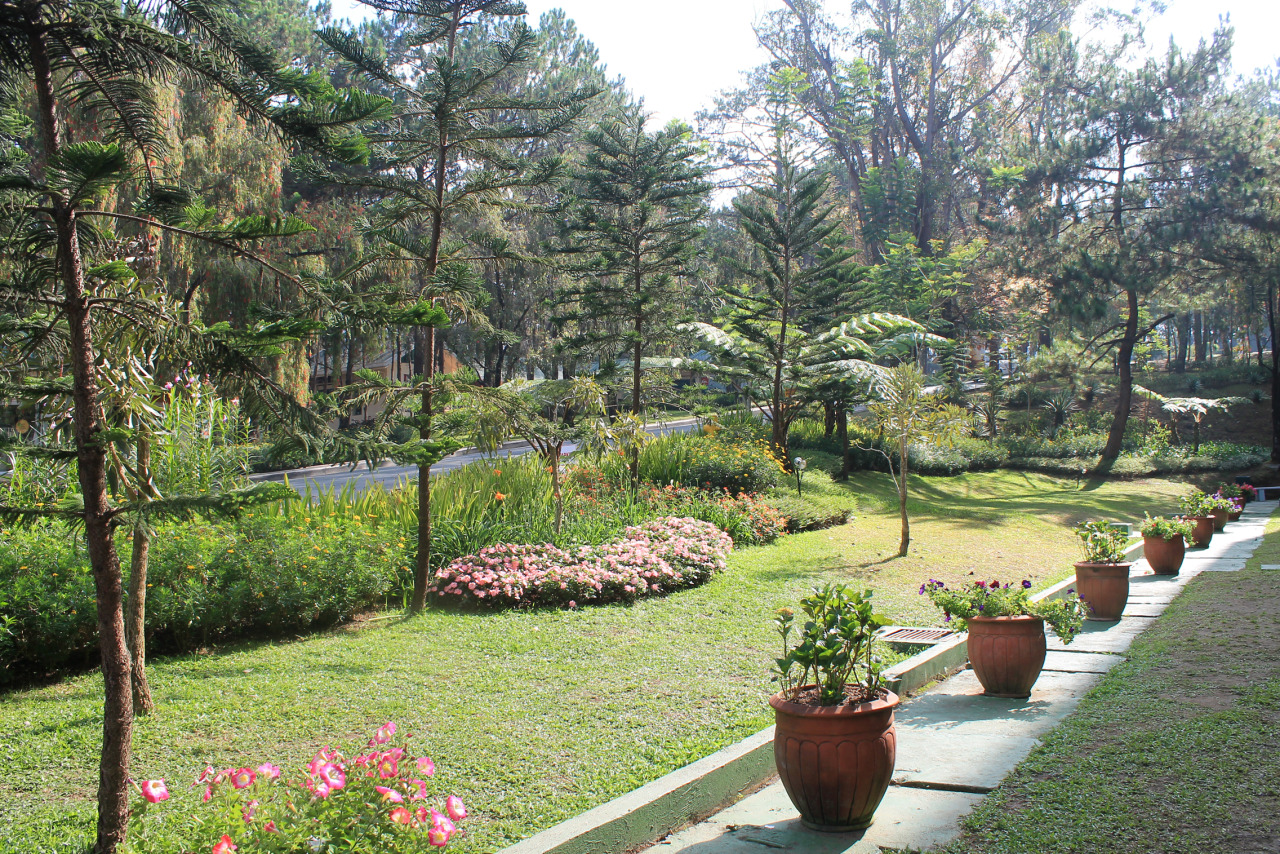
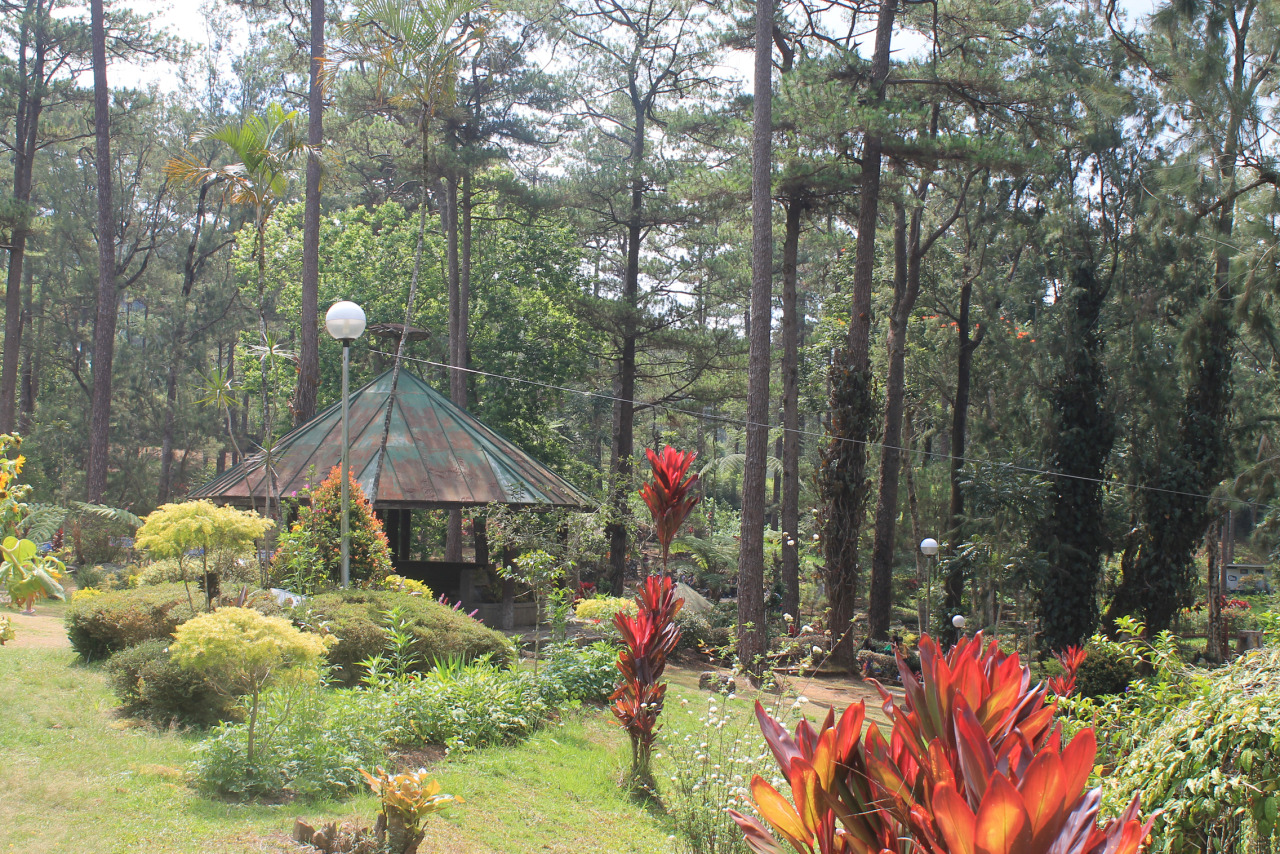
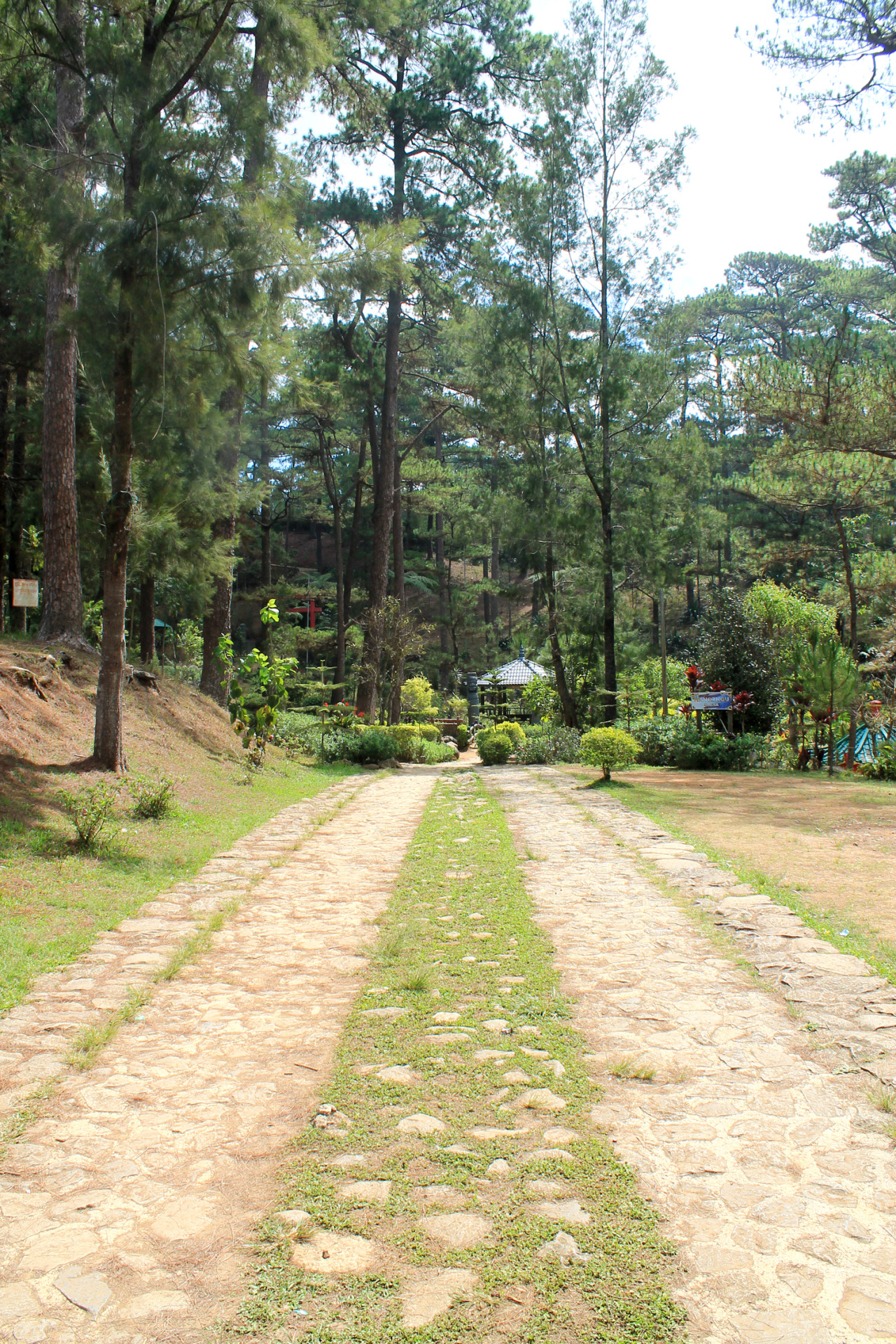
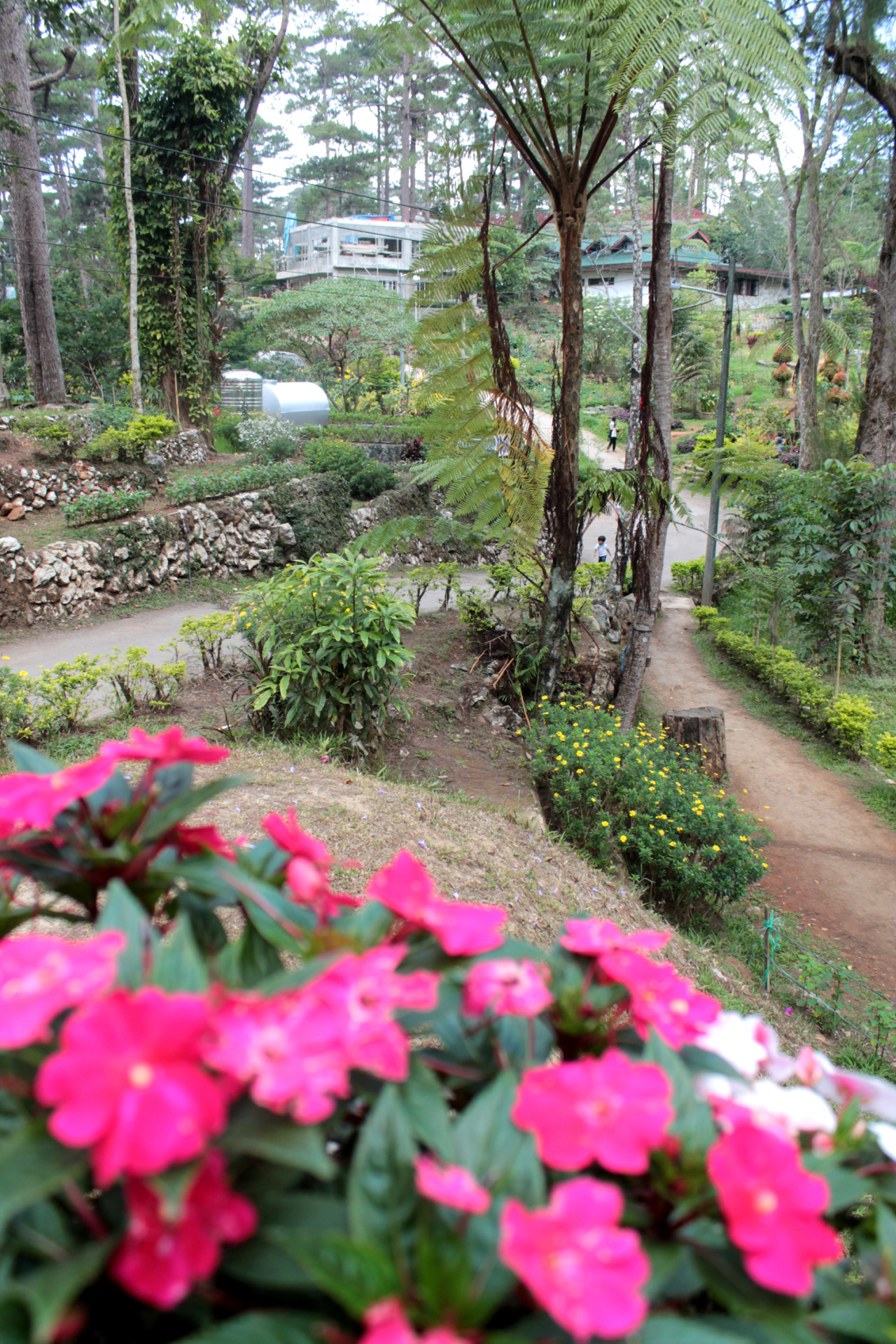
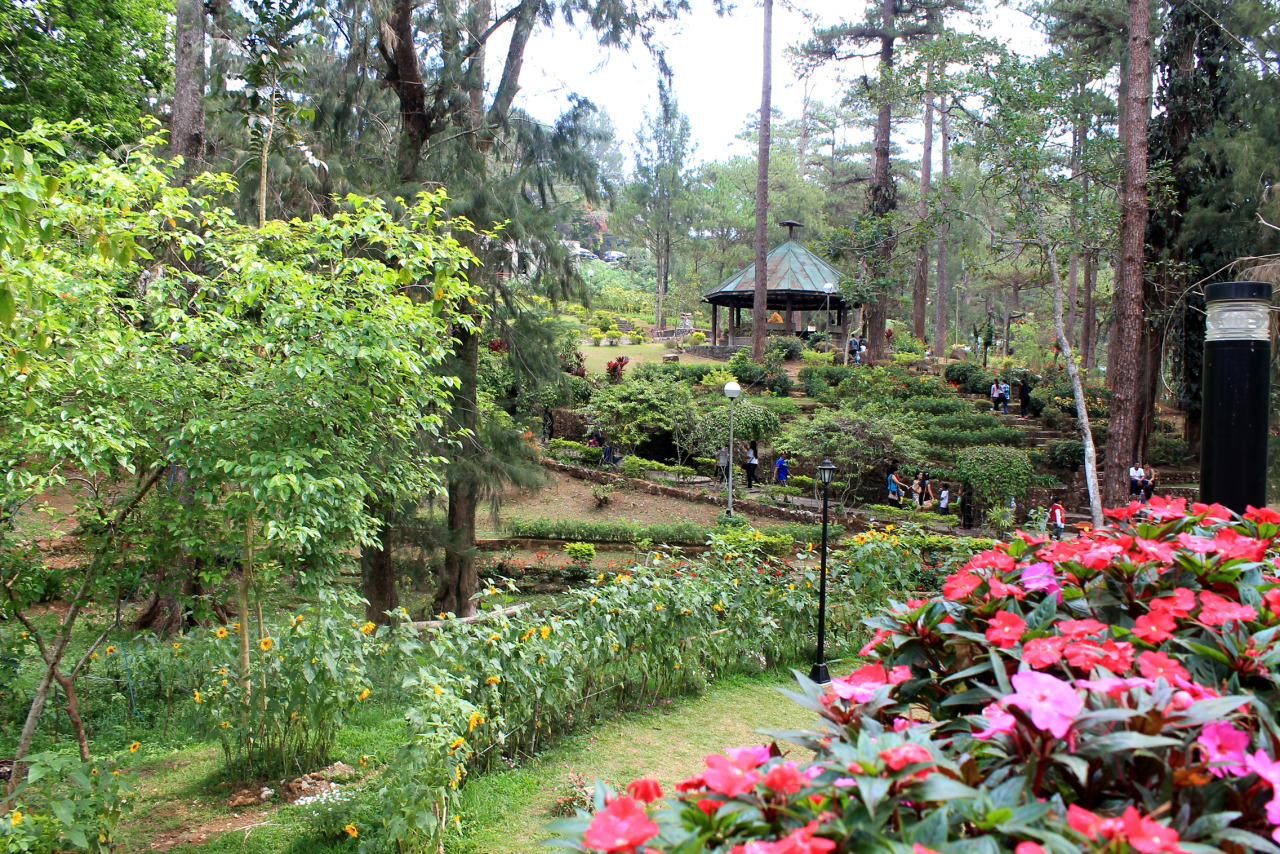
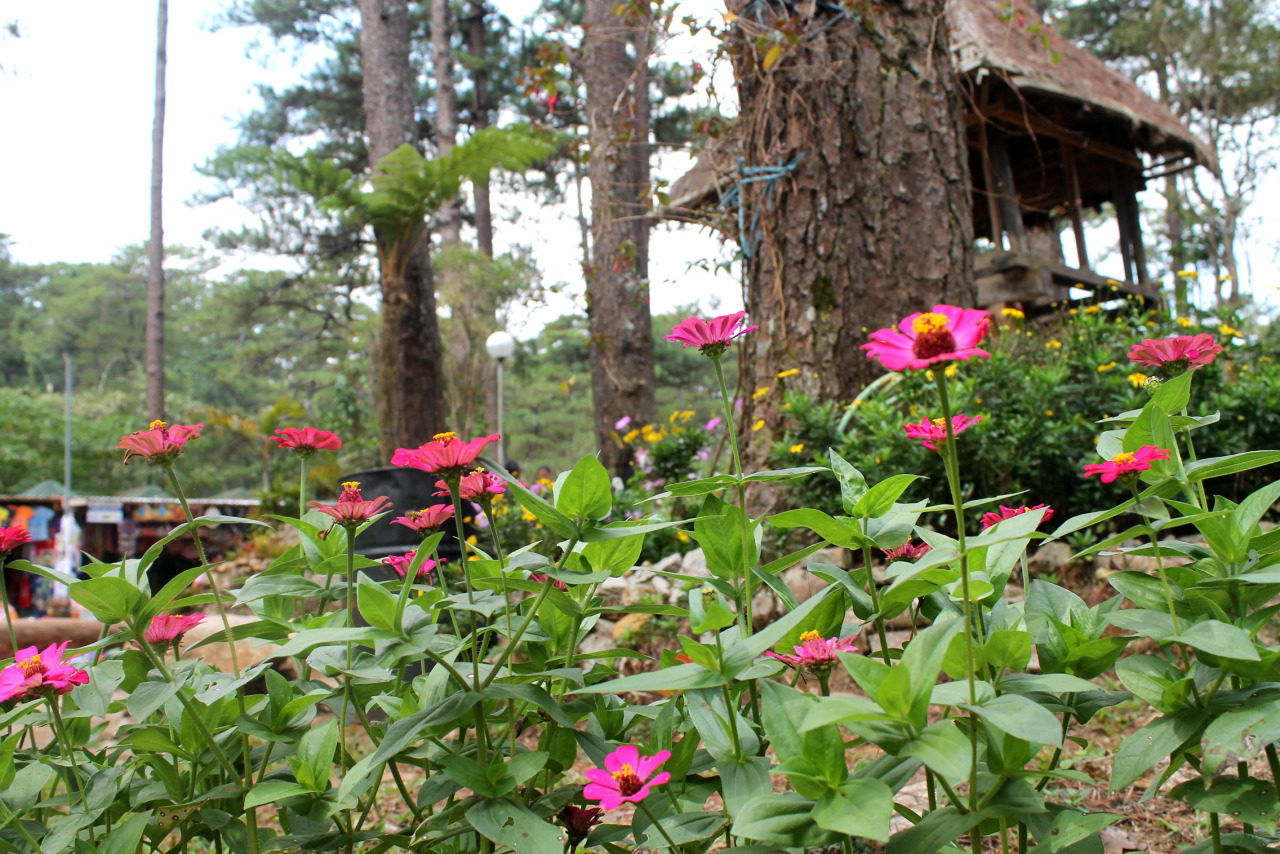
I was absent for a few days, and I'm very excited to ease things a little bit. This will be the eighth installment of the Baguio travel series.
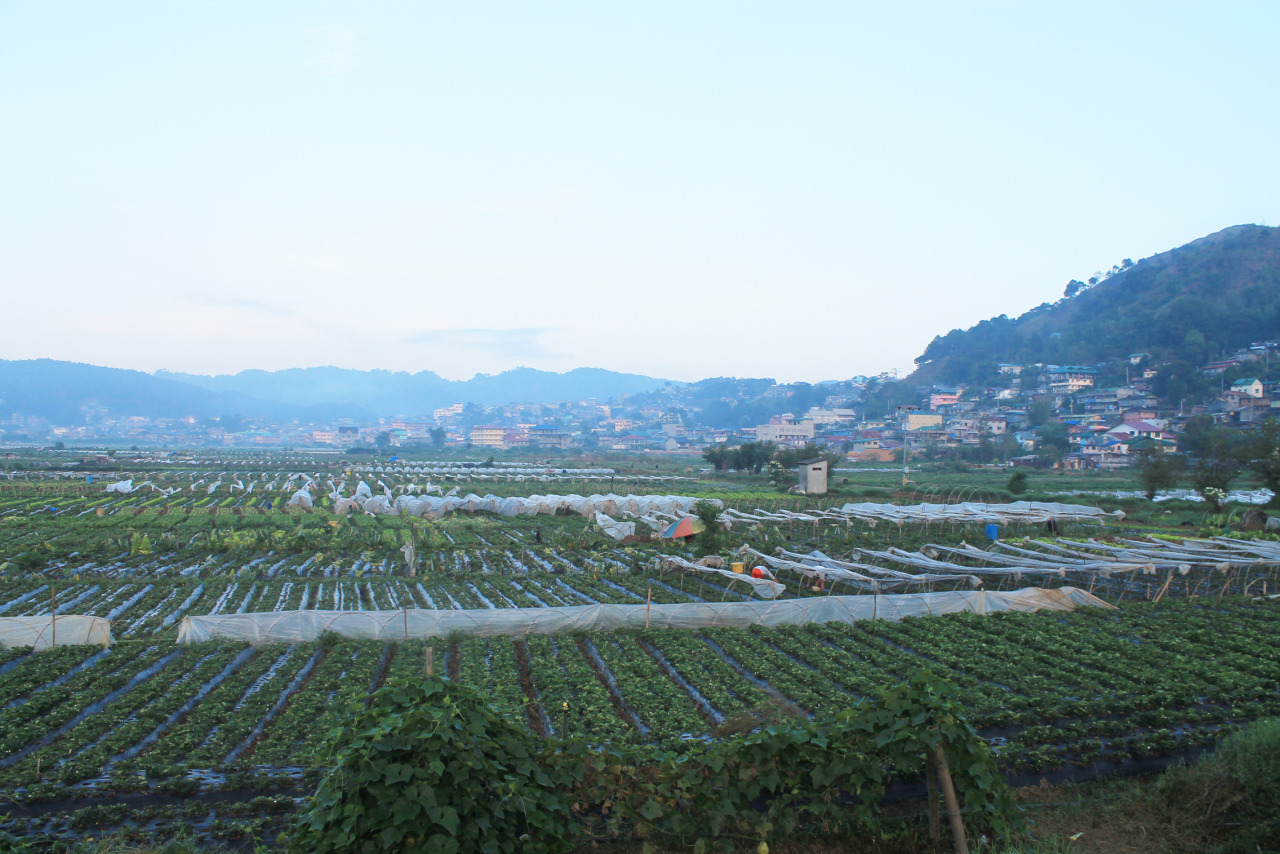
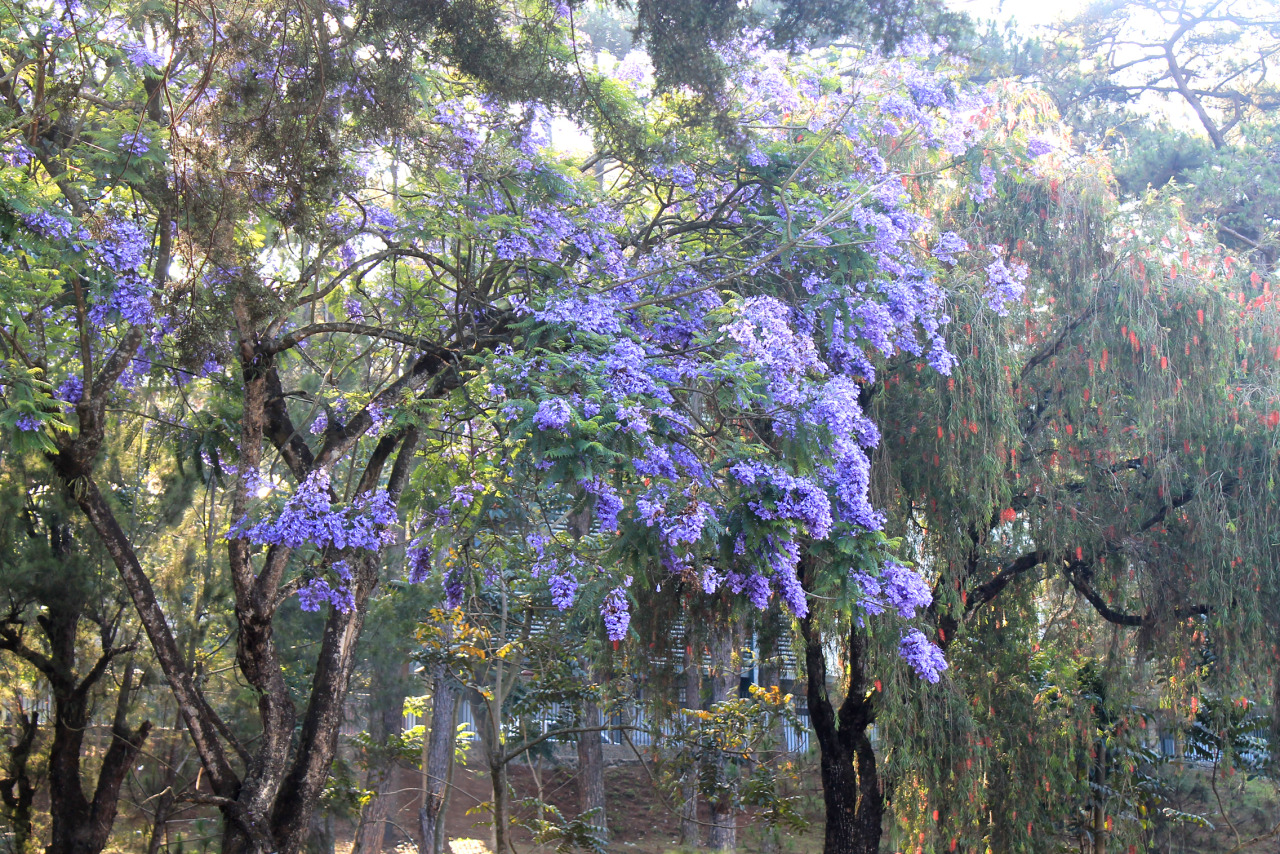
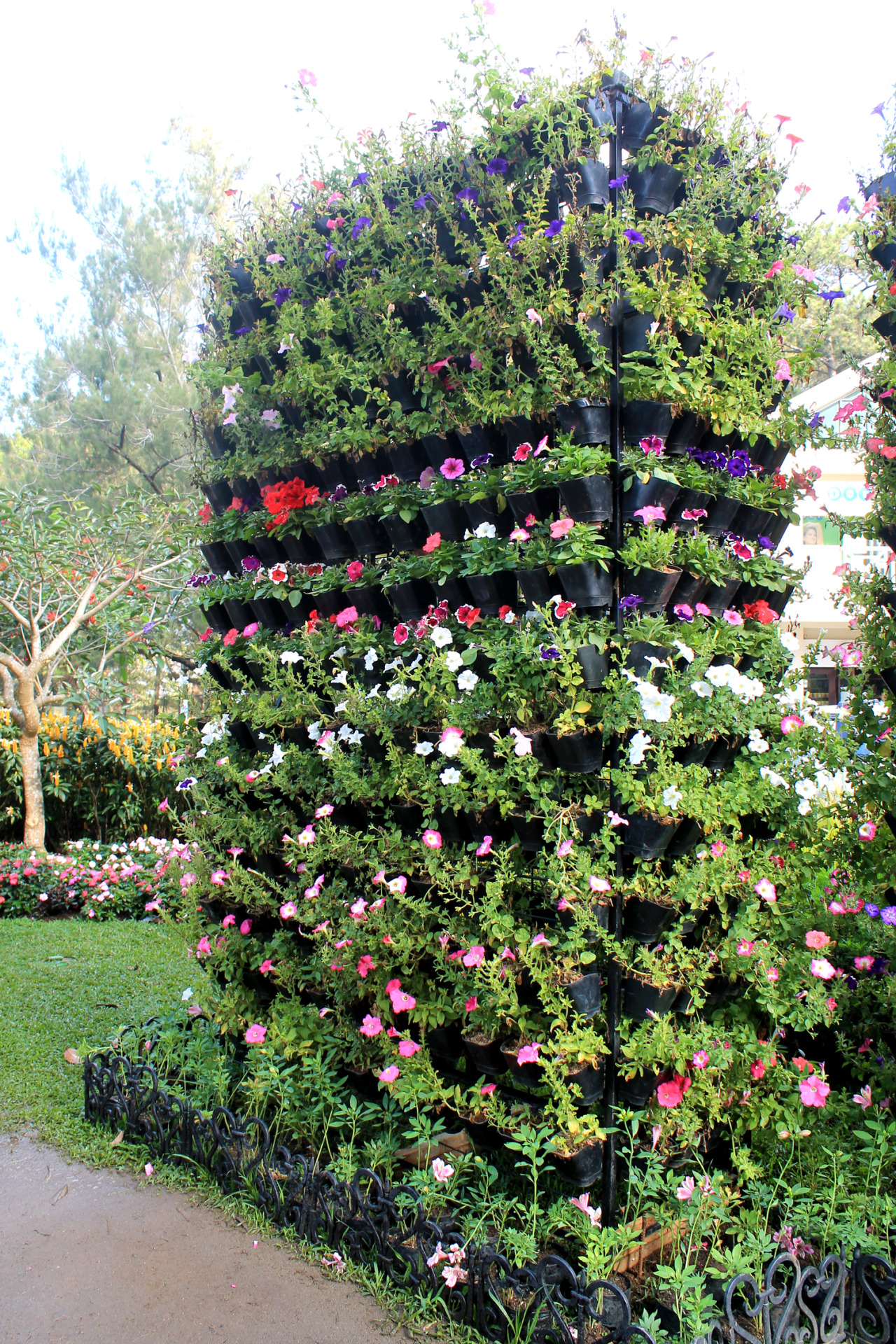
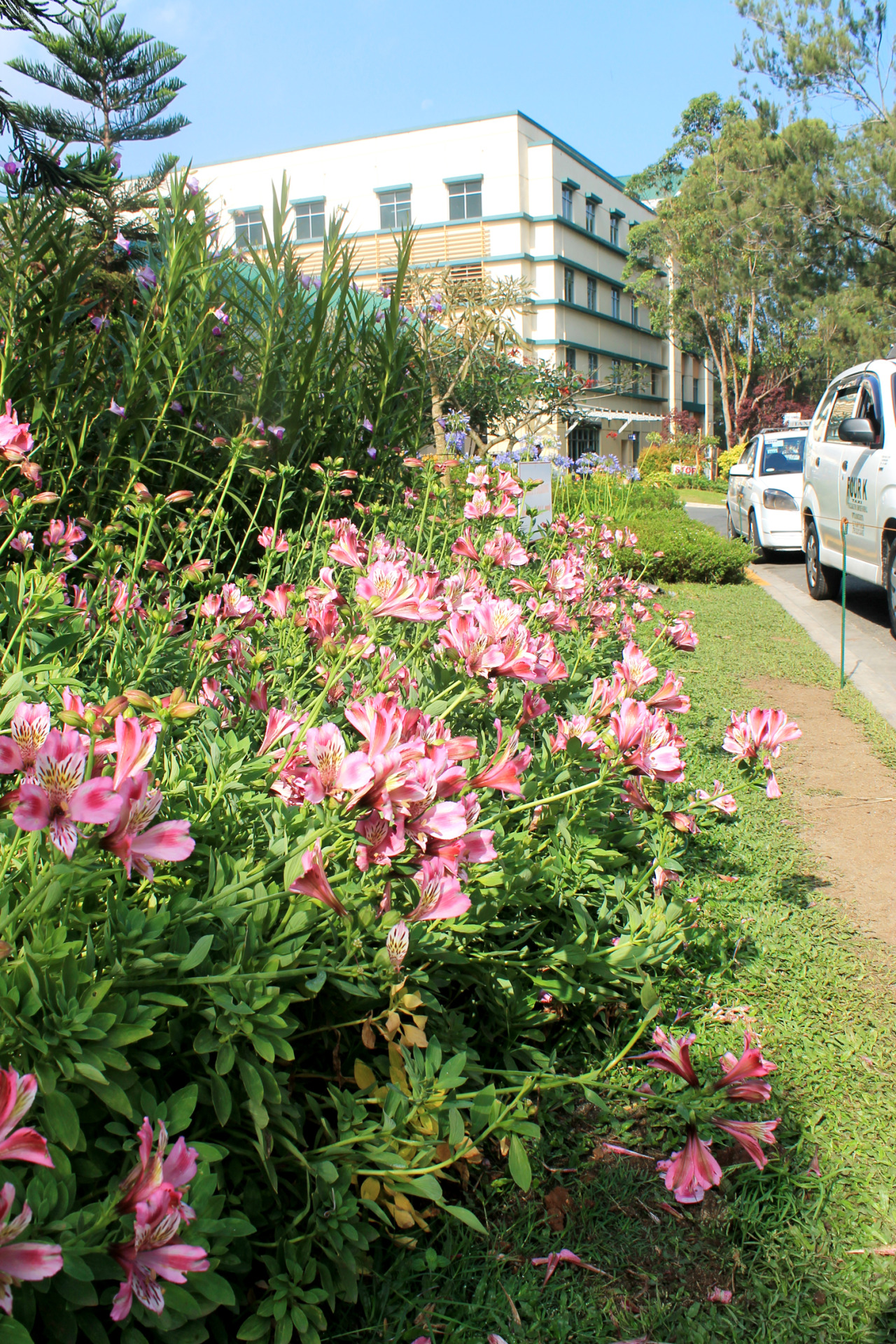
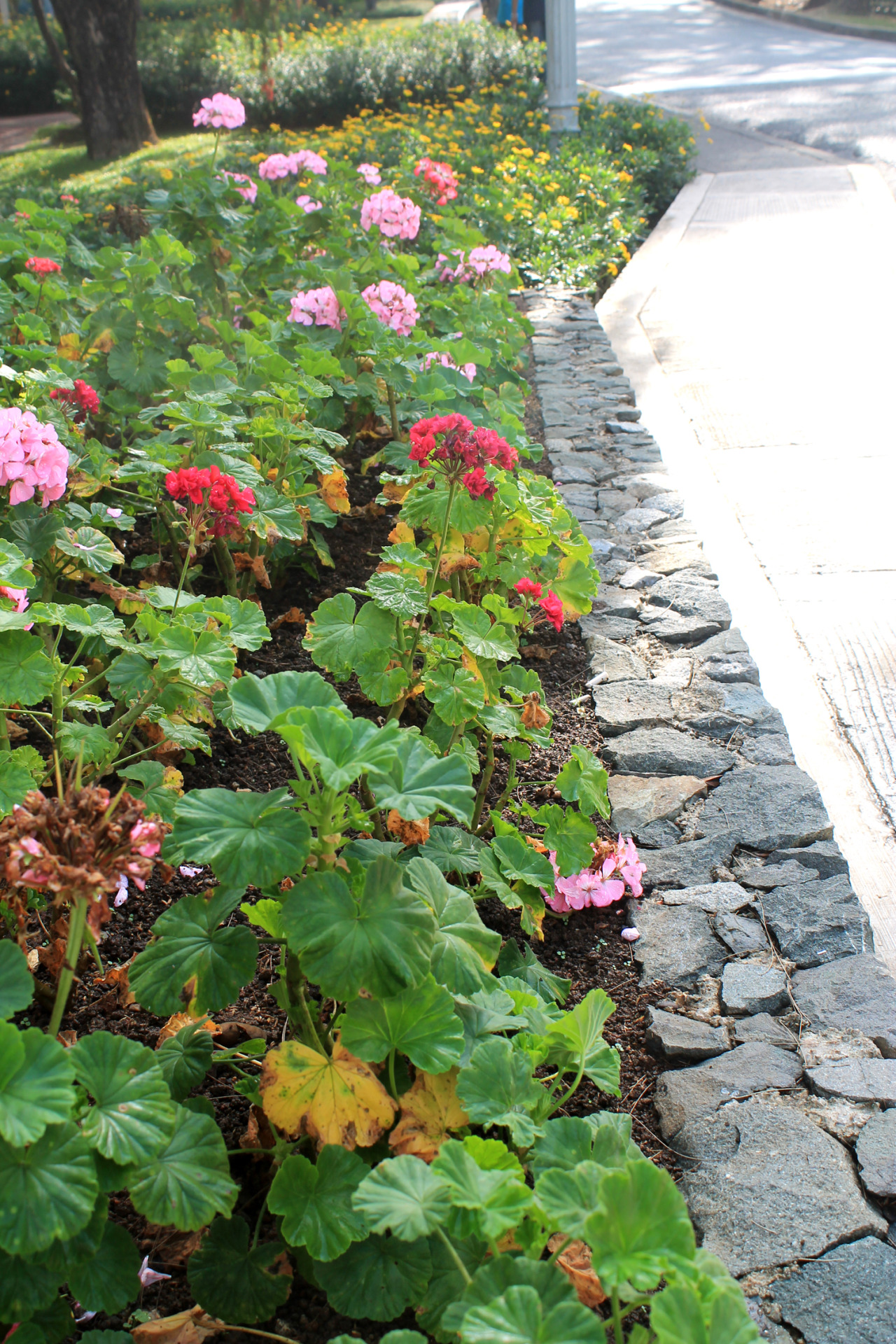
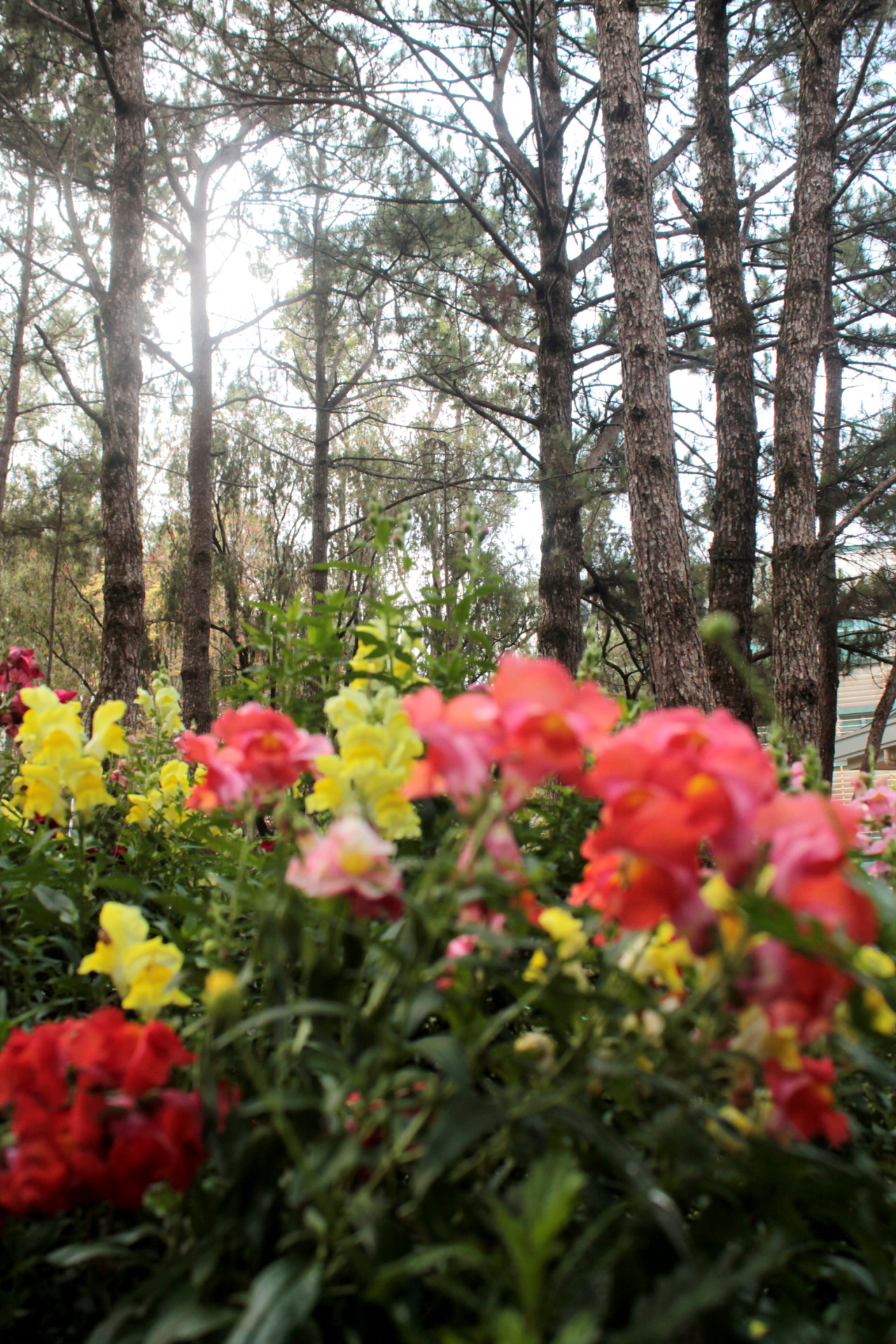
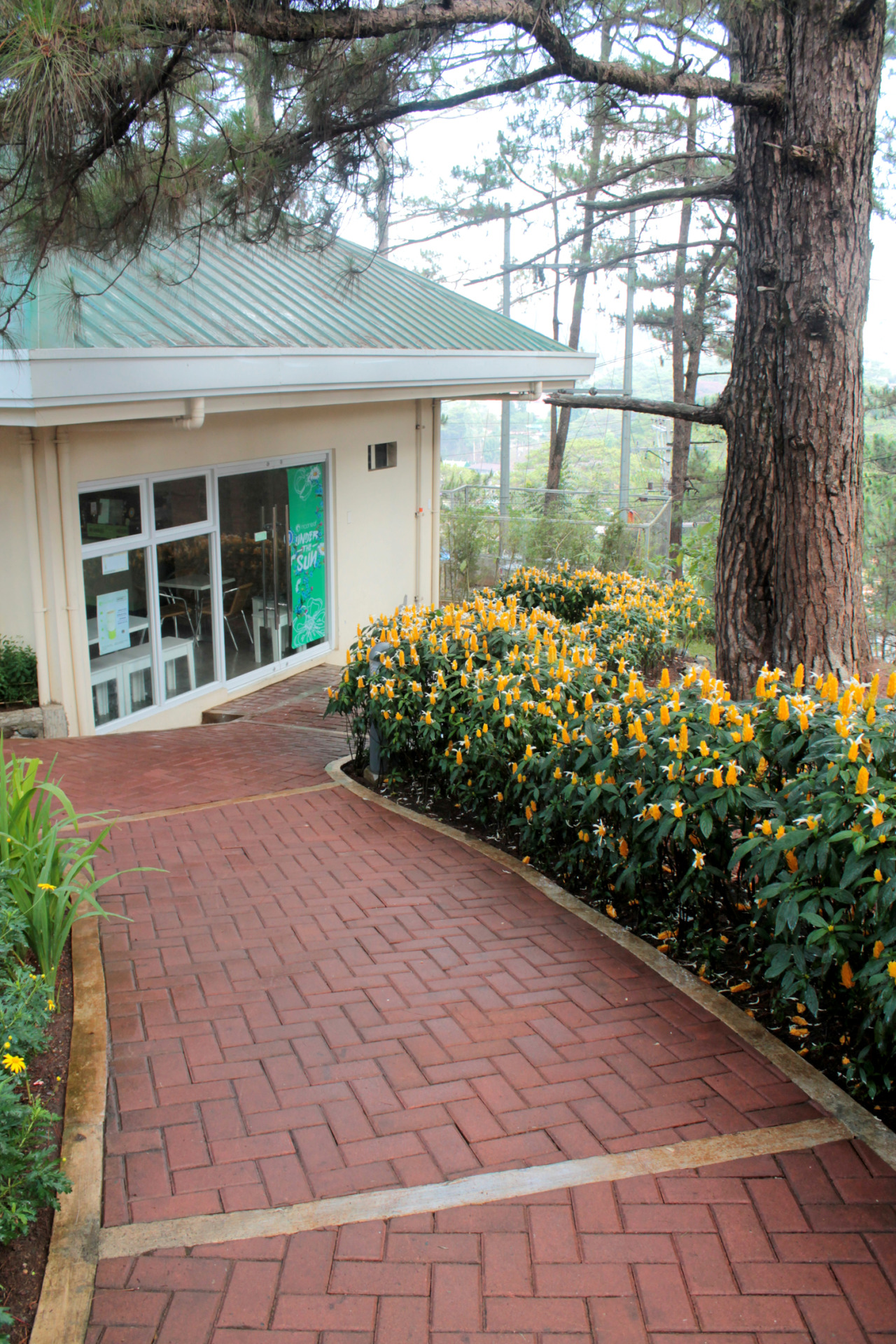
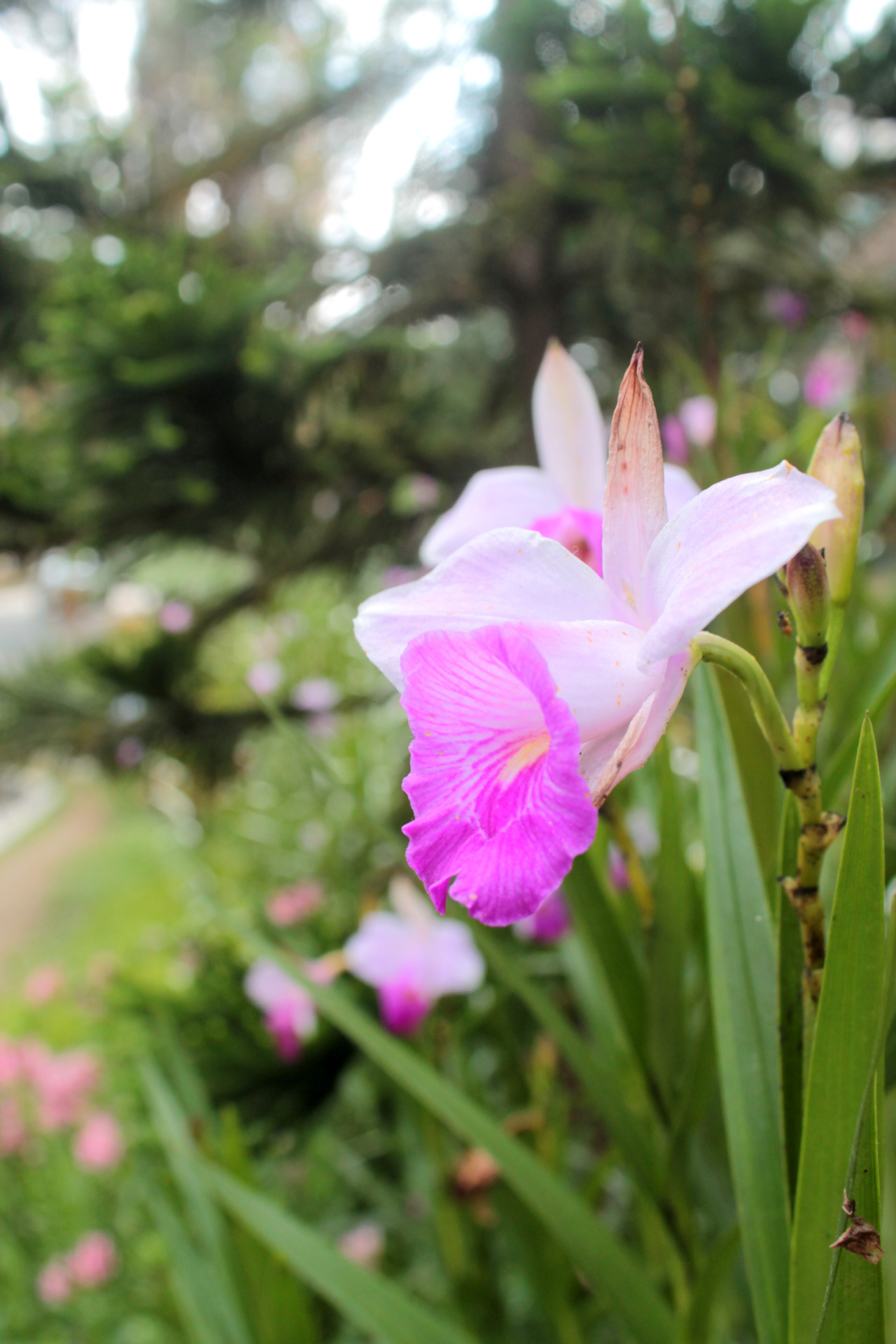
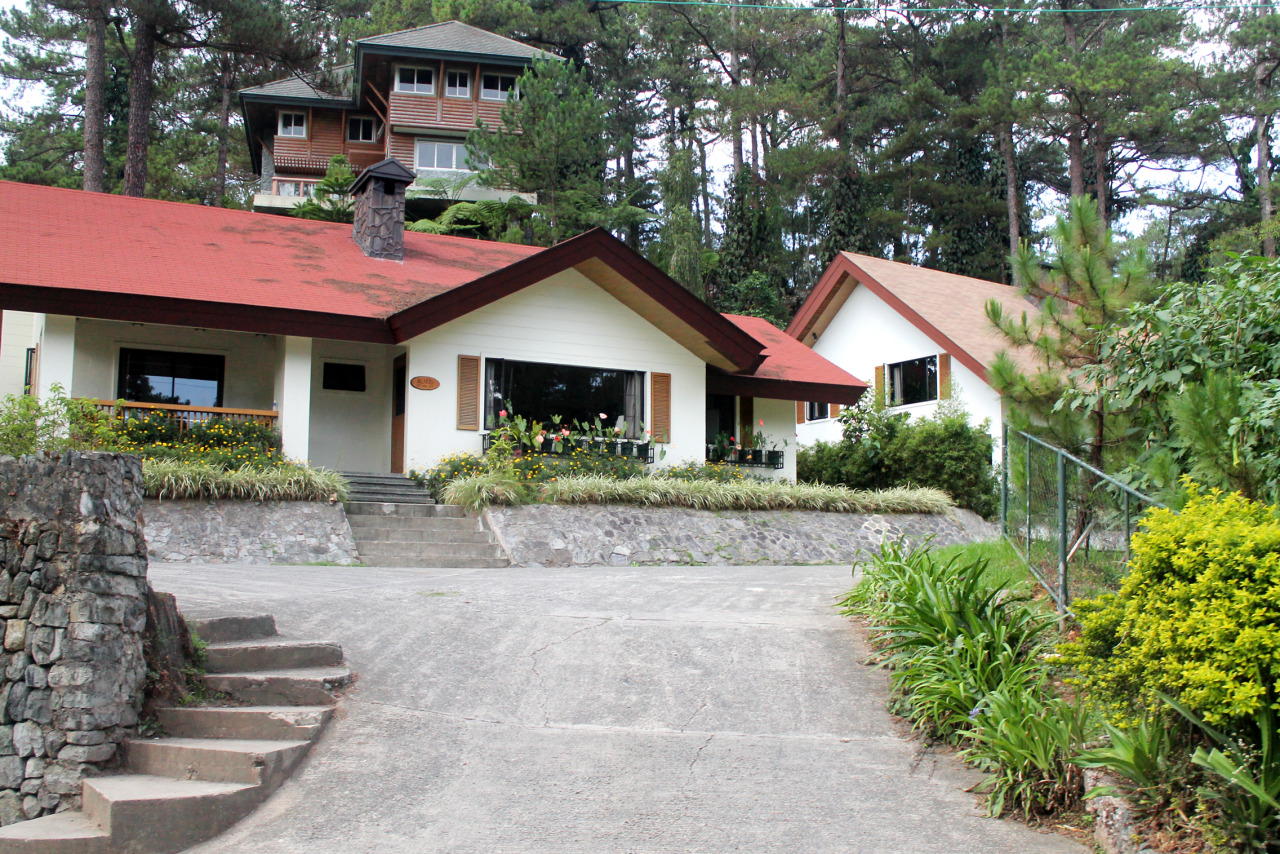
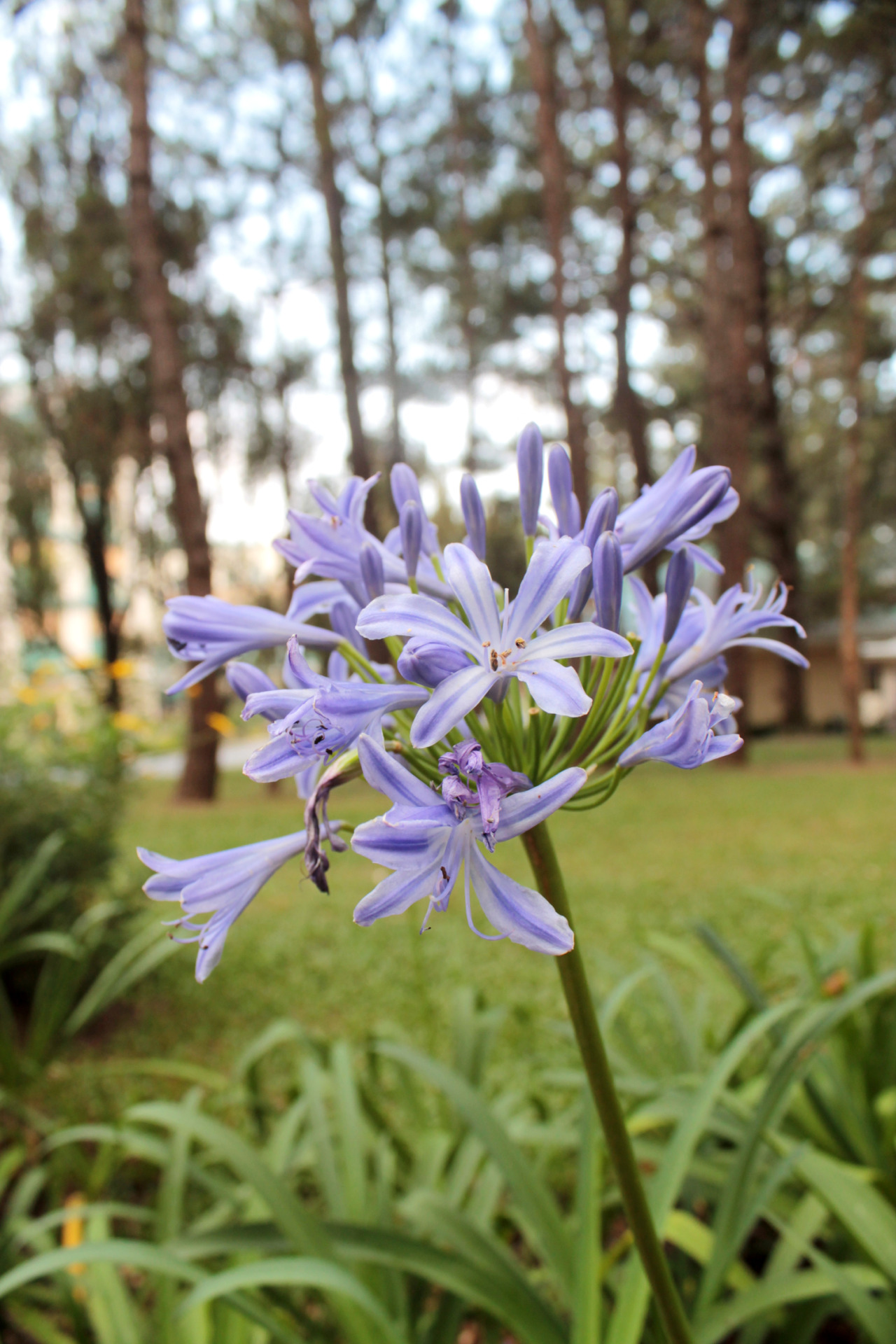
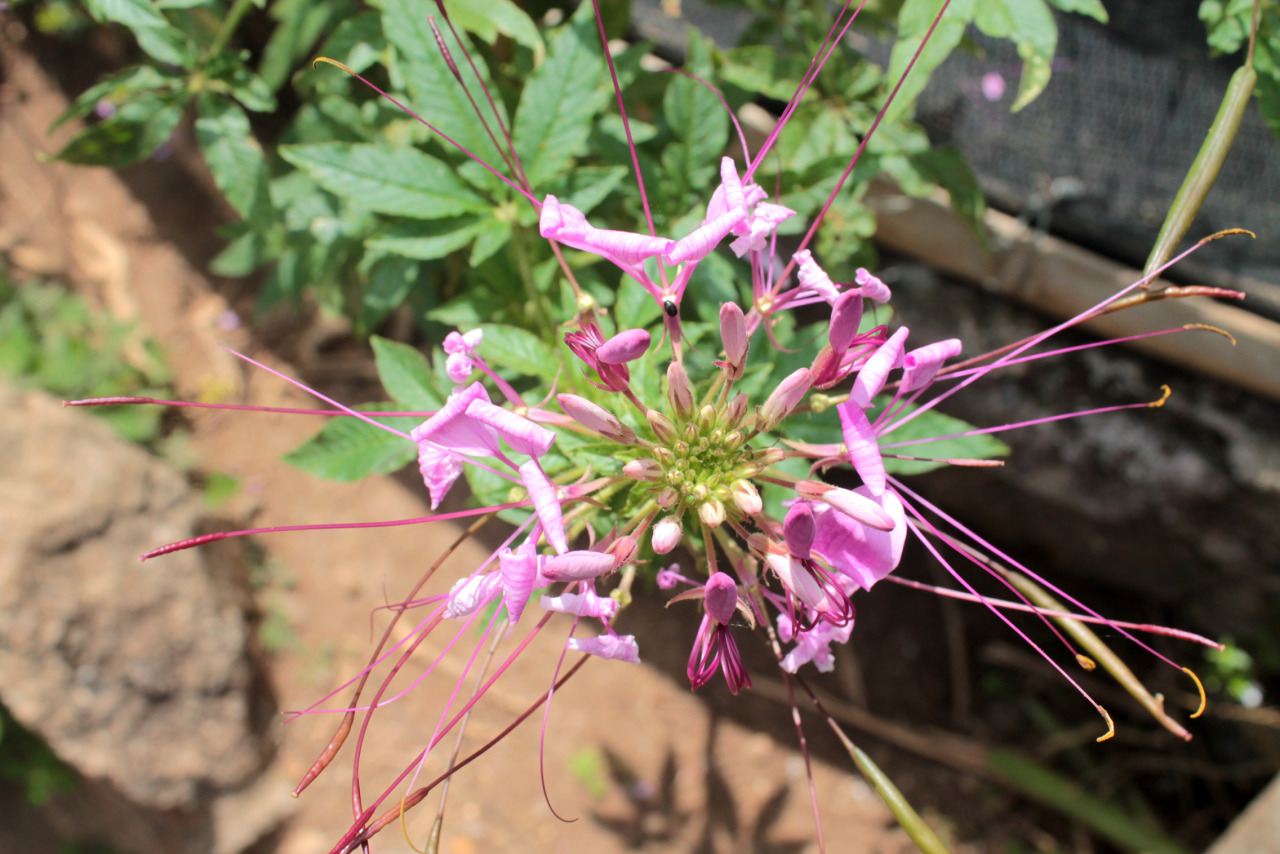
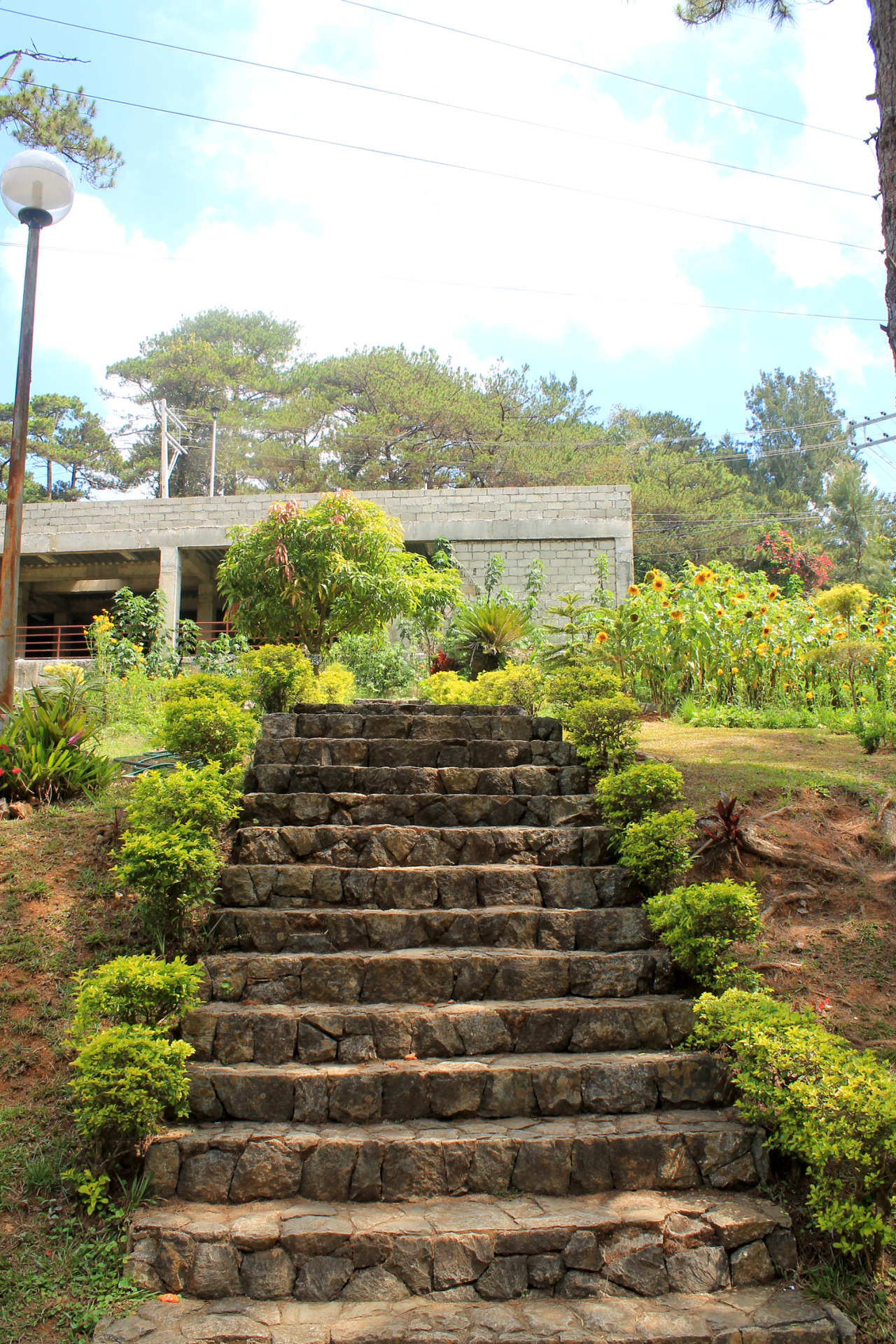
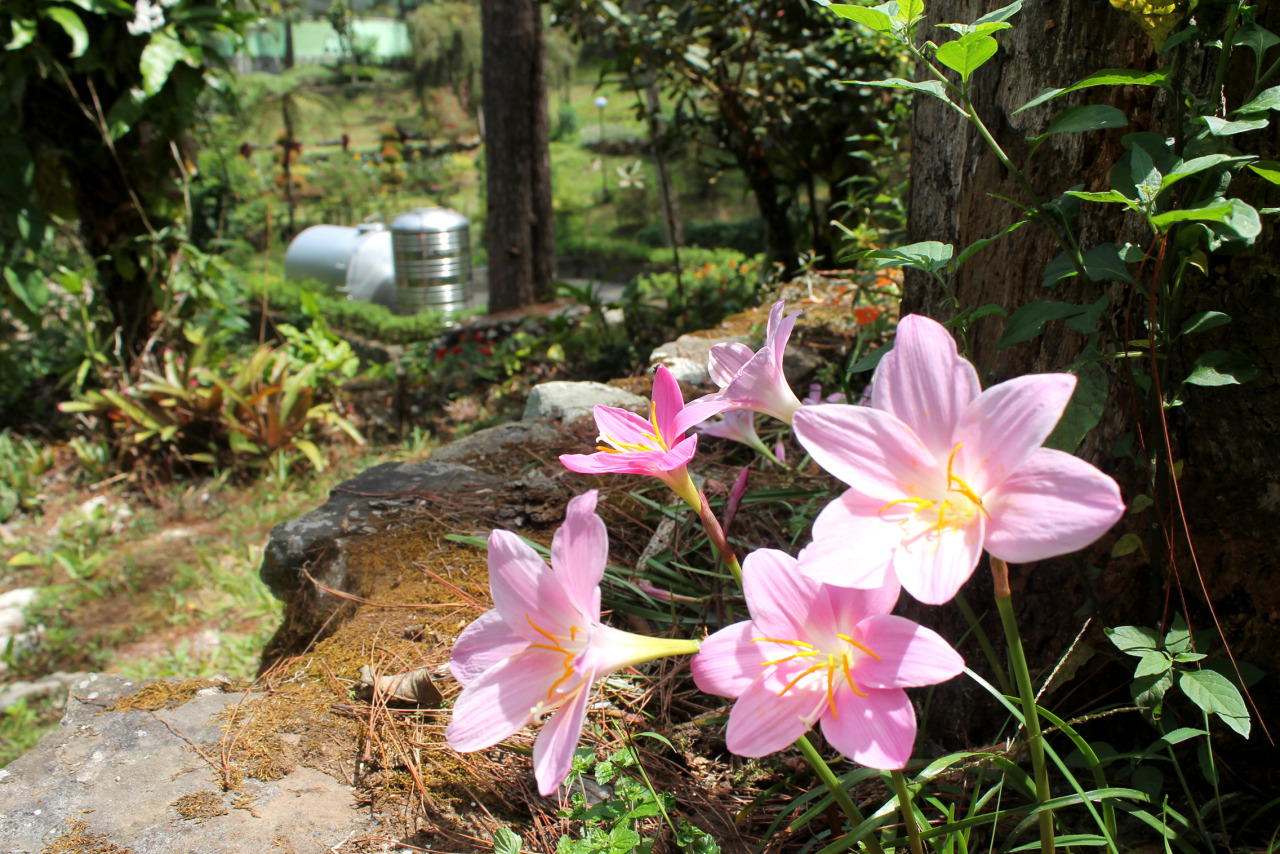
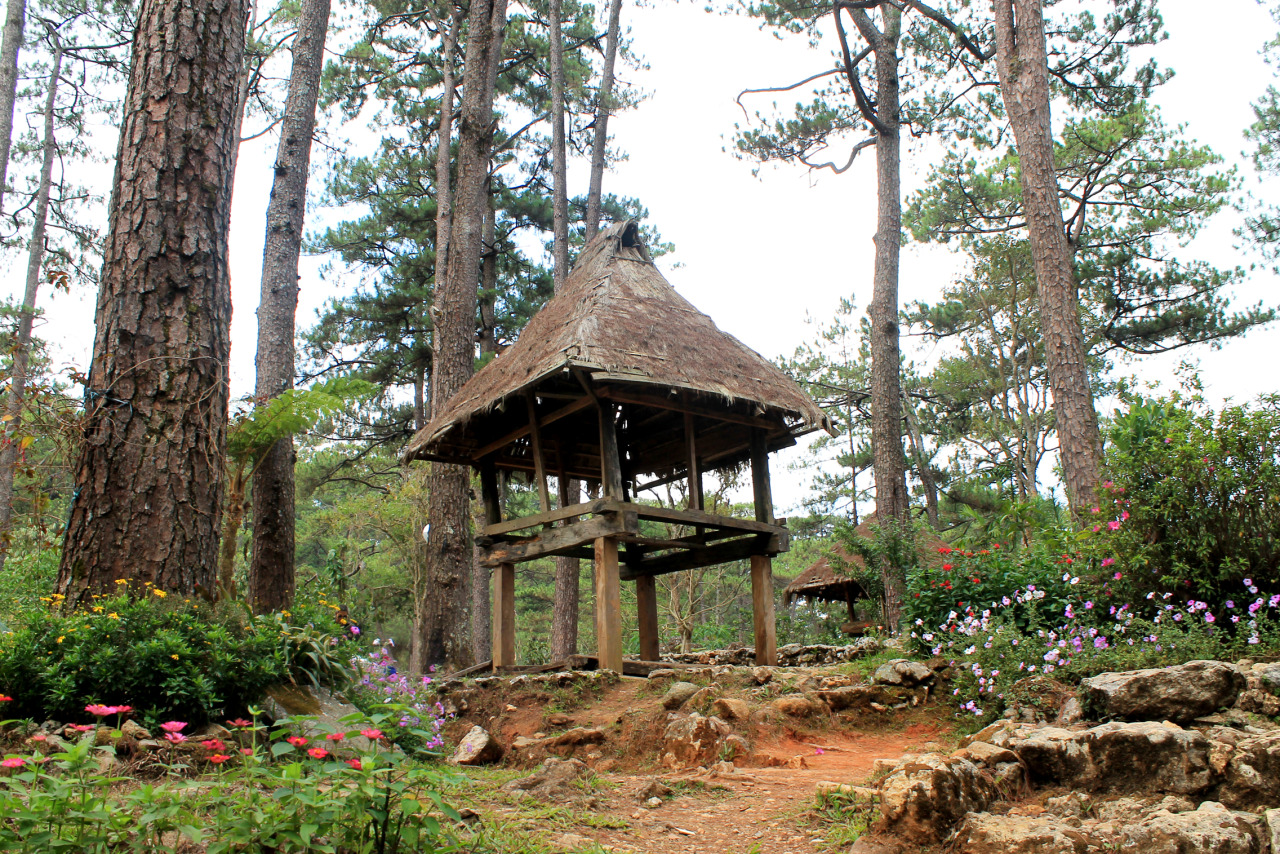
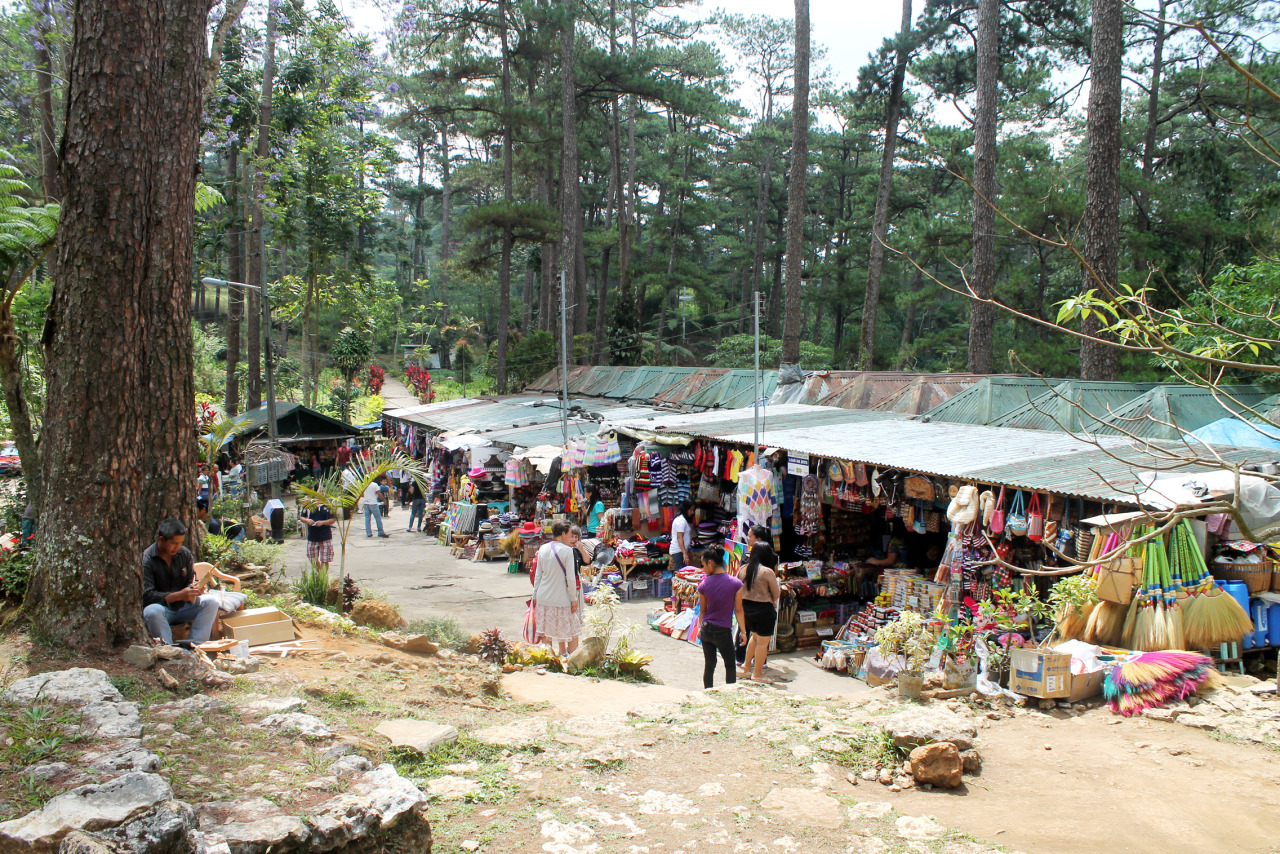
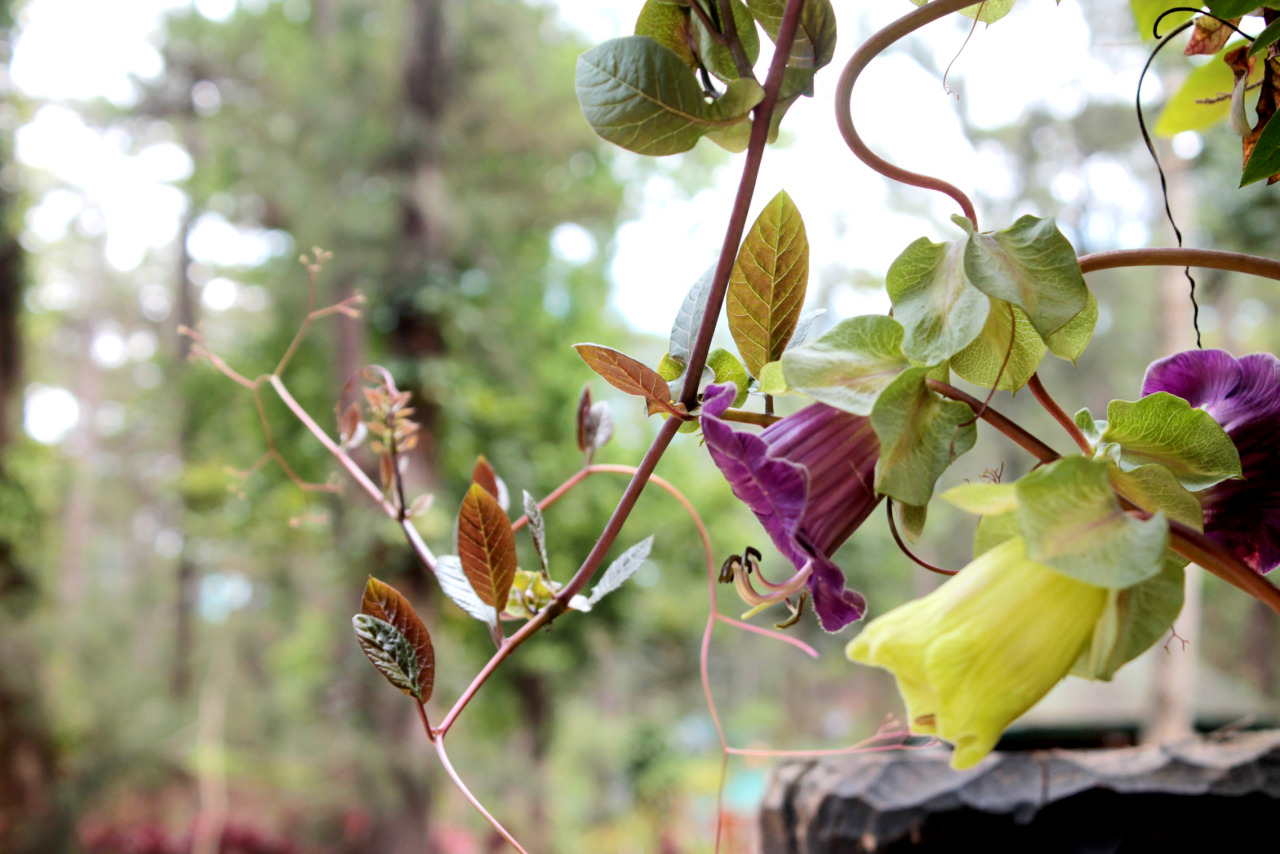
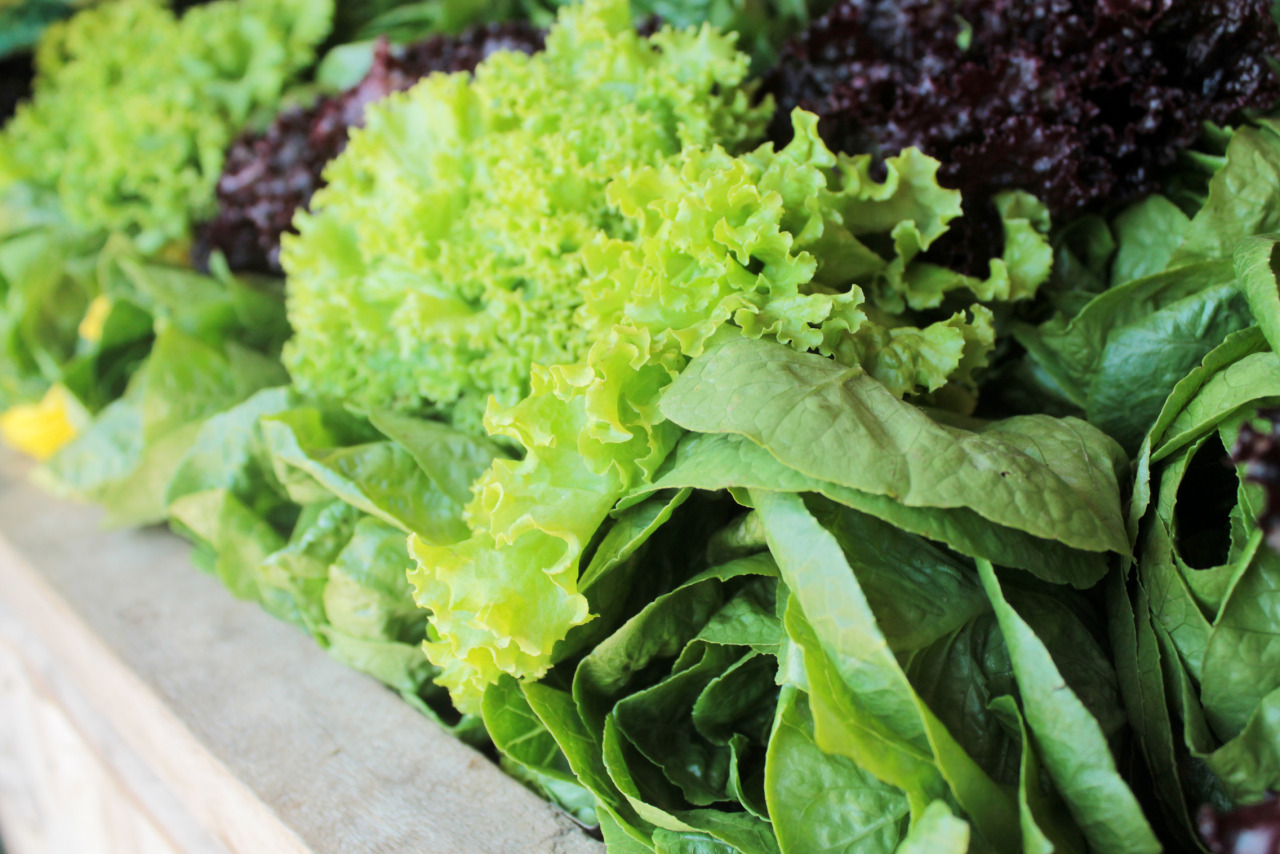
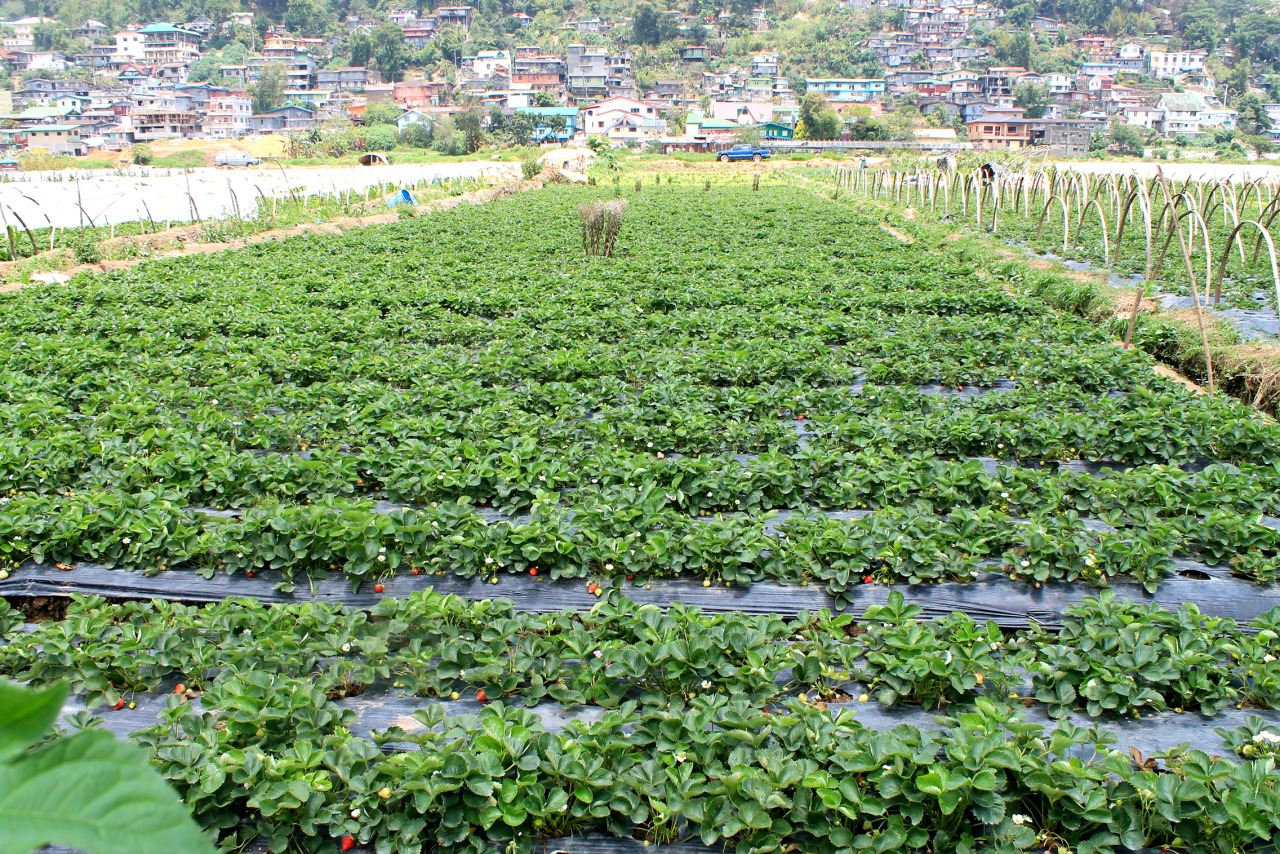
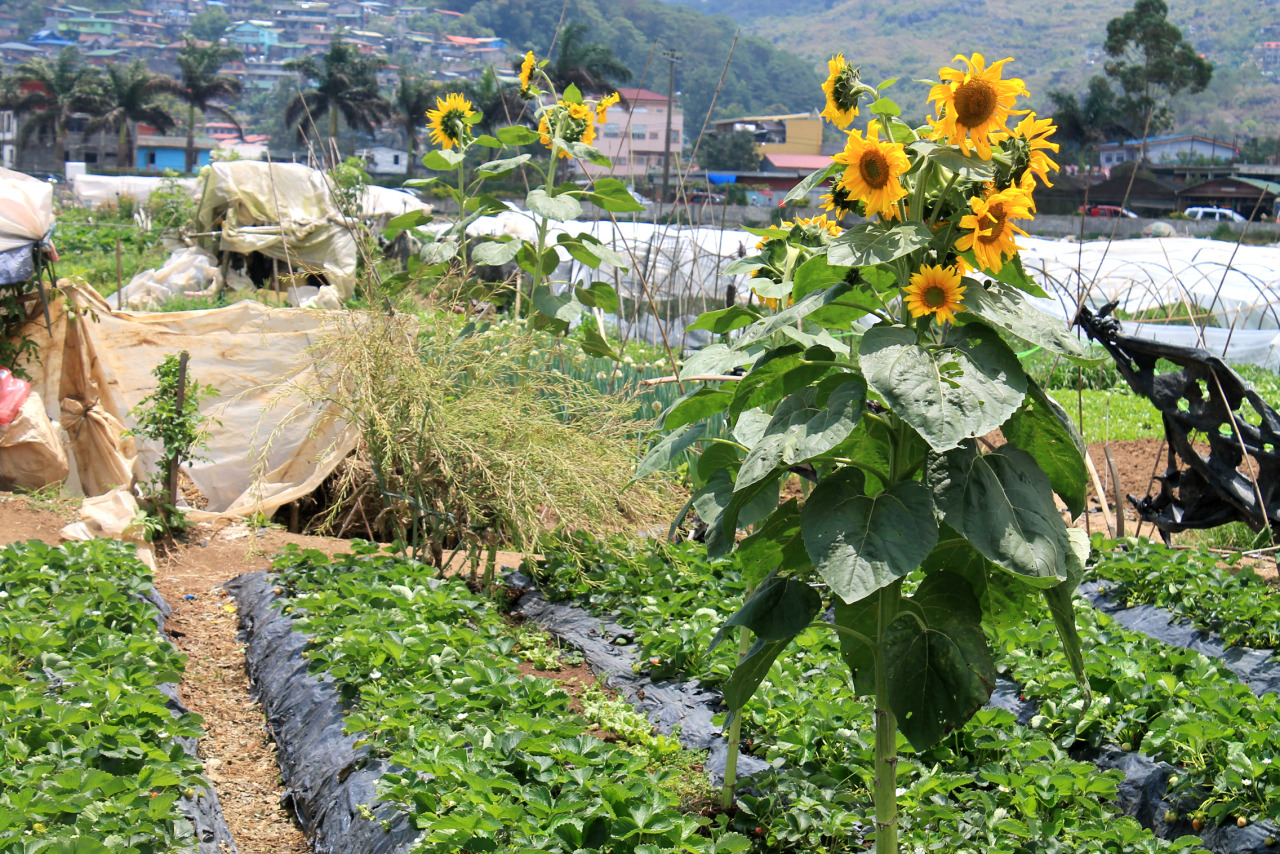
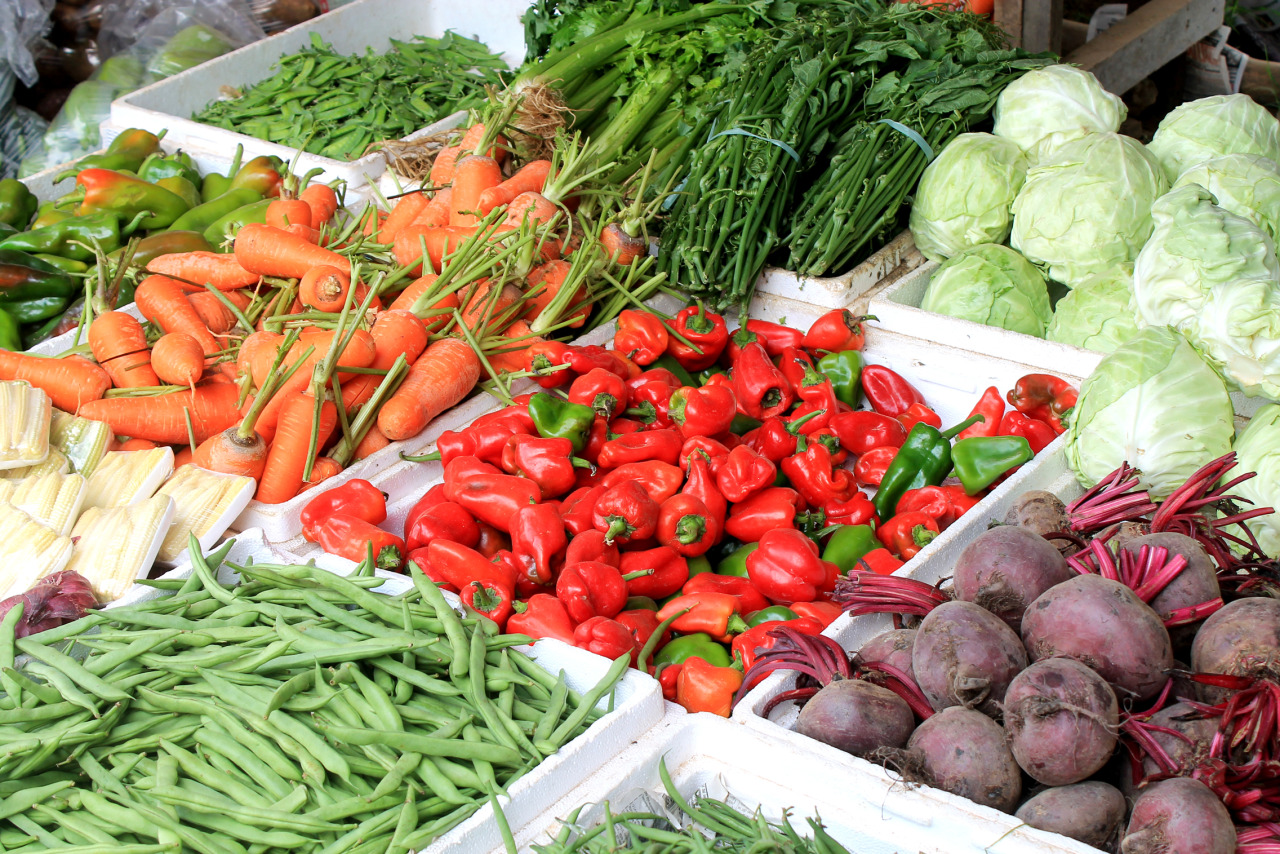
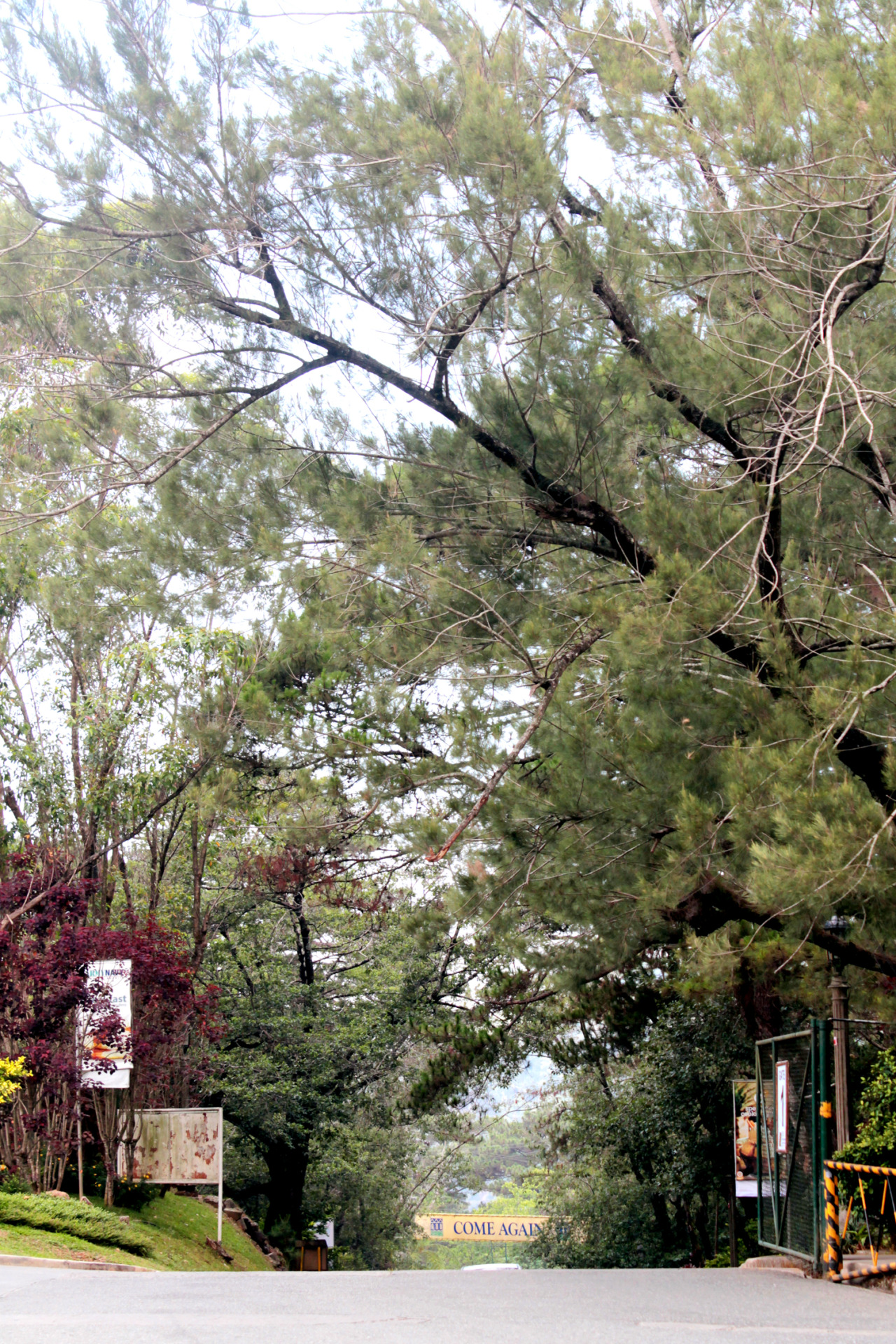
I wandered at the flowering parks and at the strawberry farm. Baguio City, located at northern Philippines, is its summer capital and tourists come over the beautiful landscaped city located on the high mountains of Benguet province. It is one of my most favorite places to go to because there are many, many flowers, pine trees, cool weather, strawberries, friendly people, and beautiful atmosphere.
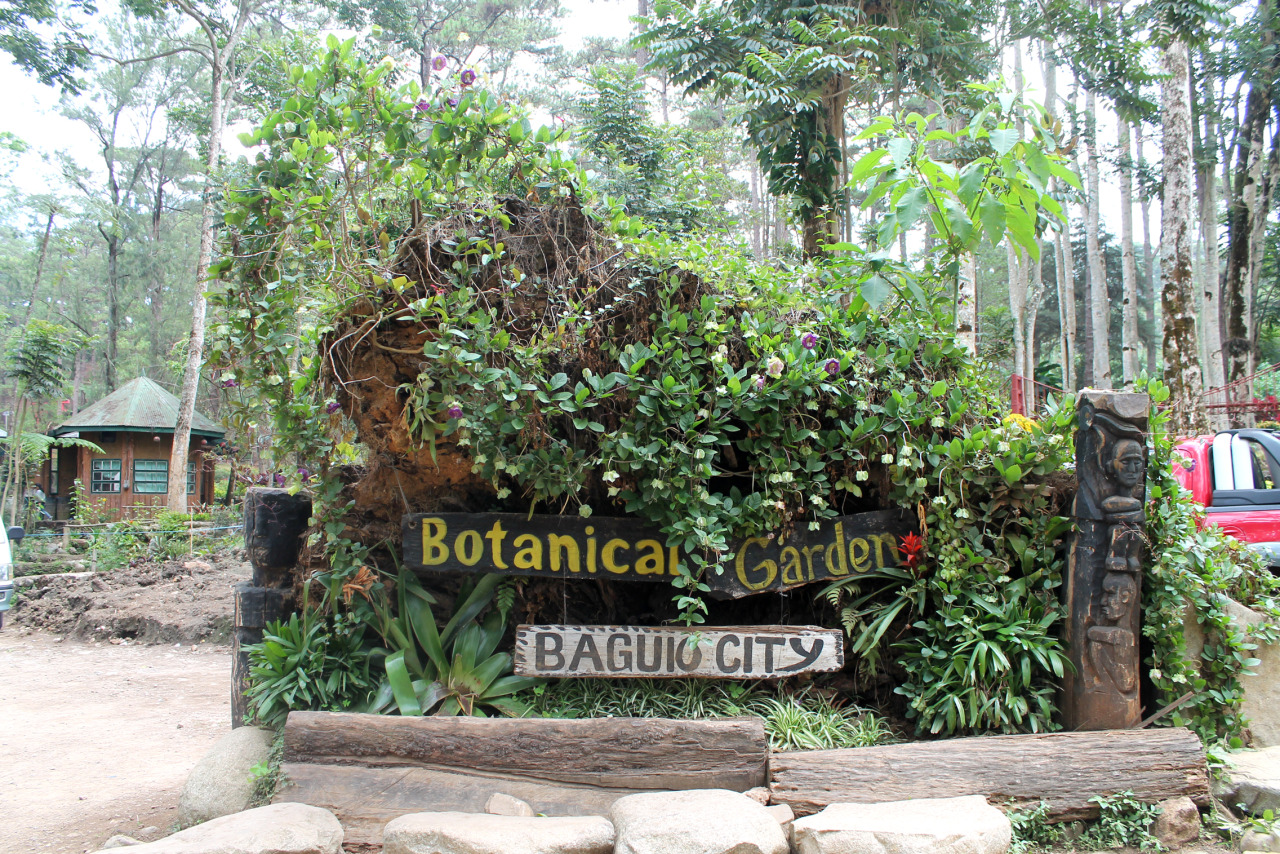
I told my mom that Baguio as a whole is a 'garden city'. Even the houses, no matter how simple they are, are beautifully landscaped everywhere. It was a one day travel only but it was definitely worth it. We went to Camp John Hay, had breakfast and lunch at Burnham Park, strolled at Botanical Gardens, and walked at the Strawberry Farm at La Trinidad Valley. I was not able to go to the rose gardens because by afternoon, rain began to fall. For souvenirs, I bought two pashmina shawls.


16 April 2014
15 April 2014
Responsibility
It is hard to contest that blaming other people and circumstances for ones own shortcomings and failures preserves ones self-confidence. This is a universal psychological defense mechanism enlisted by people everywhere in an attempt to cope with hideous reality.
For many, however, this harmless phenomenon degenerated into a tremendous paranoia rife with conspiracy theories. From colonialism to the current socioeconomic malaise, to the political situation in Muslim countries and the "technological aggression" by Western cultural imperialists - all is quickly reduced to a monumental Western conspiracy against Islam. (...)
These psychological faultlines in the Muslim mind cannot be dismissed as harmless, for they effectively hinder any helpful acknowledgement of the Muslims' own mistakes and stifle proactive initiatives. In the final analysis, Muslims are thus responsible for their own fatalist mindset.- Murad Wilfried Hofmann, Religion on the Rise
14 April 2014
Tawheed at Shirk
* This is the first translation work I did about Islam.
It is a rendition on the Filipino language of the book by Ibrahim Hussain, originally entitled, Tawheed and Shirk. In sha Allah, it gets approved and then published in booklet form soon.
Le Fontaine
Fountains at SM Clark Angeles City, taken last December, while strolling alone before going to the coffee shop, and then later on, I was joined by my siblings and then my parents.
12 April 2014
Currently Reading
Currently reading: Religion on the Rise by Murad Wilfried Hofmann.
I was attempting to voice-record my reading, but I realized I was having problems with accent and in making mistakes with reading the words (my eyesight issues). I really need to have my glasses soon. Perhaps, if I will have time, I will get them this afternoon or tomorrow, in sha Allah. My optician is a good friend of mine. :)
Anyways, I recommend the book. It is an insightful work that touches into the issues that Islam and Muslims face in the modern world, and what Islam has to offer: its solutions to the problems of the current times, and what its future likely holds, most especially in the postmodernism era.
Contents
Preface
Chapter 1: Destination: West
Chapter 2: Destination: East
Chapter 3: Many long and wretched Years
Chapter 4: Targeting the Media
Chapter 5: Blond, blue-eyed and Human Rights
Chapter 6: Democracy or Shuracracy
Chapter 7: Similar or Identical?
Chapter 8: Why Muhammad?
Chapter 9: Jesus dividing - Jesus uniting
Chapter 10: Colorblind
Chapter 11: What are they here for?
Chapter 12: In for a Change
Chapter 13: Petitioners or Partners?
Chapter 14: Islam in America
Chapter 15: What if they come?
Index
Bibliography
I was attempting to voice-record my reading, but I realized I was having problems with accent and in making mistakes with reading the words (my eyesight issues). I really need to have my glasses soon. Perhaps, if I will have time, I will get them this afternoon or tomorrow, in sha Allah. My optician is a good friend of mine. :)
Anyways, I recommend the book. It is an insightful work that touches into the issues that Islam and Muslims face in the modern world, and what Islam has to offer: its solutions to the problems of the current times, and what its future likely holds, most especially in the postmodernism era.
Contents
Preface
Chapter 1: Destination: West
Chapter 2: Destination: East
Chapter 3: Many long and wretched Years
Chapter 4: Targeting the Media
Chapter 5: Blond, blue-eyed and Human Rights
Chapter 6: Democracy or Shuracracy
Chapter 7: Similar or Identical?
Chapter 8: Why Muhammad?
Chapter 9: Jesus dividing - Jesus uniting
Chapter 10: Colorblind
Chapter 11: What are they here for?
Chapter 12: In for a Change
Chapter 13: Petitioners or Partners?
Chapter 14: Islam in America
Chapter 15: What if they come?
Index
Bibliography
09 April 2014
Caught My Eye
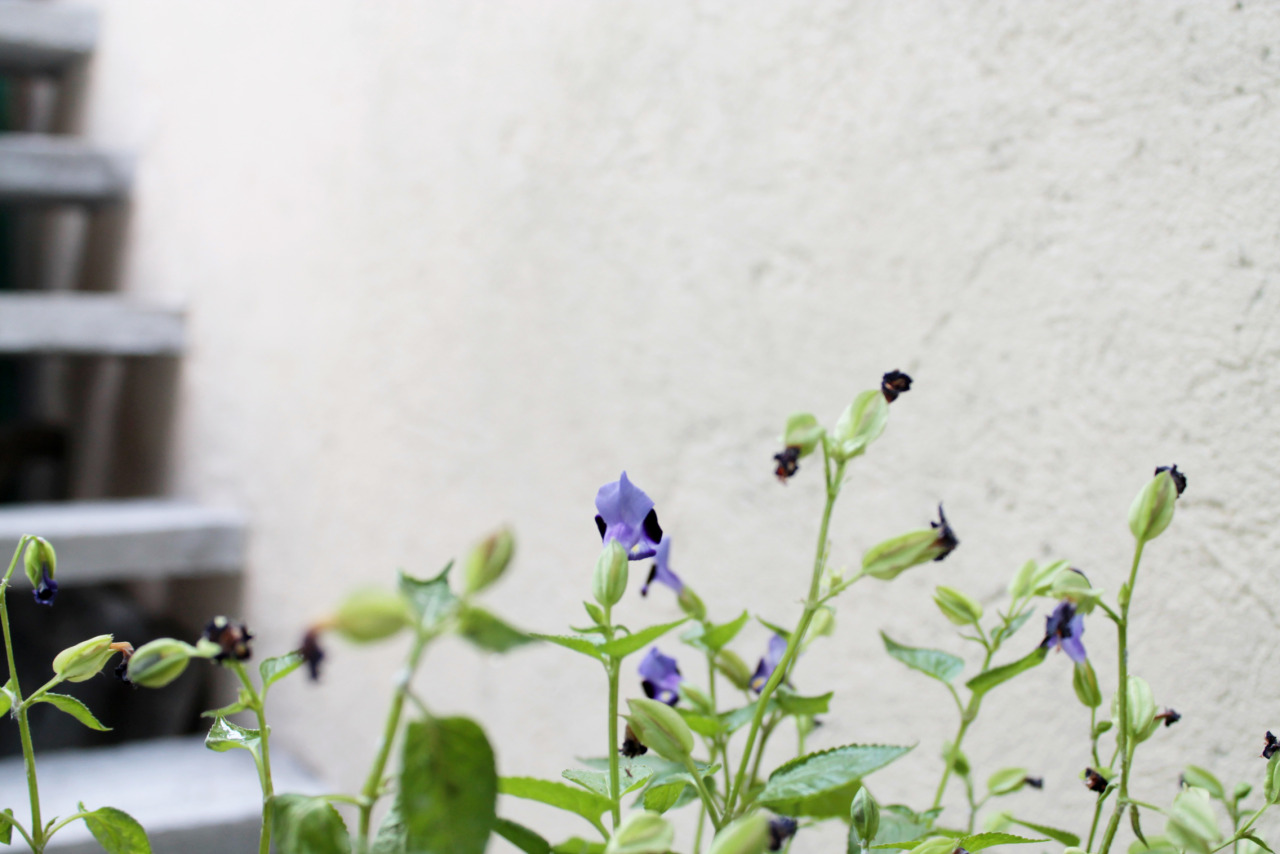
These flowers caught my eye just this morning.
At the background is a stair leading to the terrace garden I had been neglecting for perhaps a month now.
The plants had been terribly missing me :(
Photo Collections
Cats | Art Gallery | Books | Food & Drink | Travel | Quotes | Architecture | Nature & Garden
Labels
Baguio Series
(15)
art
(70)
book excerpt
(57)
essay
(36)
food
(39)
ideals
(148)
insights
(97)
introspection
(35)
med school
(10)
monthly photo snippets
(27)
notes
(31)
photography
(218)
places
(127)
poetry
(1)
psychology
(43)
recipes
(9)
review
(31)
science
(10)
travel
(76)